
Call us Today
1300 034 818Every winter the same thought turns up around the third heating bill: the house takes forever to warm up, and whatever warmth you pay for seems to leak straight back out. In summer it flips: the western rooms turn into an oven by mid-afternoon and the air conditioner never really catches up. A lot of that comes down to the windows, and it's exactly where curtains do more than most people give them credit for.
The honest answer is yes, the right curtains help with energy bills, and the effect is bigger than a decorative panel would suggest. The size of the difference depends entirely on the type of curtain, how it's lined, and how well it's fitted. Here's what thermal and acoustic curtains actually do, and how to make sure yours are pulling their weight rather than just hanging there.
Windows are one of the biggest sources of heat gain and loss in a typical home. Glass conducts temperature readily, so on a cold night the warmth in a room drifts to the cold glass and out, and on a hot day the sun pours heat straight in. Many Australian homes are single-glazed, which makes the problem worse, and even double glazing still leaves the window as the weak point in an otherwise insulated wall.
Your heating and cooling then spend their time fighting that constant exchange. A curtain works by putting a barrier (and, importantly, a pocket of still air) between the room and the glass, which slows the transfer down. Slow the transfer and your heater or air conditioner doesn't have to run as hard or as often, which is where the saving on the bill comes from.
Thermal curtains are built to resist that heat transfer. Usually that means a heavier face fabric paired with a thermal or blockout lining, and the two together trap a layer of still air against the window. That trapped air is the real insulator, much like the way a double-glazed window relies on the gap between two panes.
In winter, thermal curtains help hold the warmth you've paid for inside the room instead of letting it bleed out through the glass overnight. In summer, closing them on a hot, sun-facing window keeps a good deal of that heat from ever entering, so the room starts the afternoon cooler and stays that way. Blockout linings add to the effect, because a lining dense enough to stop light is also doing a lot to slow heat and block draughts around the edges of the window.
Acoustic curtains tackle a different kind of comfort: noise. Heavy, dense fabric absorbs sound rather than letting it bounce around a room, which softens echo and takes the edge off outside noise like traffic, neighbours and general street racket.
They won't turn a bedroom into a recording studio, and it's worth being realistic about that. What they do is take a room from harsh and echoey to noticeably calmer and quieter. The same qualities that make a curtain good at insulating (weight, density, generous fabric, full coverage) are the ones that make it good at managing sound, which is why thermal and acoustic performance so often come together in the same curtain.
This is where honesty matters more than a big number. There's no single percentage that applies to every home, because it depends on your climate, your windows, how many hours you heat or cool, and how good the curtains are. A well-lined, well-fitted thermal curtain across a large, single-glazed, sun-facing window will make a real, felt difference to a room's temperature and to how hard your system works. A thin, poorly fitted panel with gaps around the edges will do very little.
The practical takeaway: curtains are one of the cheapest and least disruptive ways to improve a home's comfort and running costs, far easier than replacing windows, but only if they're specified and fitted to do the job.
The difference between a curtain that quietly saves you money and one that just decorates a window comes down to a handful of things:
Made-to-measure matters here precisely because these details are chosen on purpose rather than left to chance. An off-the-shelf panel rarely covers the window properly or comes with the right lining, which is why so many people conclude "curtains don't help" when the real problem was the curtain, not the idea.
Curtains aren't the only option for insulating a window, and often the best result comes from combining them. Cellular and dual roller blinds add their own insulating layer, and pairing blinds with lined curtains gives you flexible control through the day: sheers or blinds for filtered light, heavy curtains drawn at night for warmth and quiet. Layering a sheer with a blockout drape on the same window is a popular way to get soft daytime light and full thermal and acoustic performance after dark.
If you'd rather not handle multiple layers by hand, motorisation lets you close everything on a schedule, for example dropping the curtains automatically as the afternoon sun hits the west side, so the room never gets the chance to heat up.
A few habits make a real difference. Close thermal curtains before the temperature turns, not after. Shut them at dusk in winter to trap the day's warmth, and close them on sun-facing windows before the heat of the day in summer. Make sure they actually seal the top and sides. And treat the windows that matter most first: the largest panes and the west-facing rooms are where you'll feel the change soonest.
If your rooms run hot in summer, cold in winter, or noisier than you'd like, the right thermal and acoustic curtains can quietly fix all three. Book a free on-site consultation and we'll assess your windows, recommend the fabric and lining to suit your home, and fit them properly so they seal and perform, not just decorate. Take a look at our recent projects to see the finish.
Yes, when they're well made and well fitted. By slowing heat loss in winter and heat gain in summer, they reduce how hard your heating and cooling have to work. The saving depends on your windows, climate and how you use the curtains, but a lined, full-coverage thermal curtain on a large or sun-facing window makes a genuine difference.
Thermal curtains are designed to slow heat transfer and keep rooms comfortable; acoustic curtains are designed to absorb sound and reduce noise. Because both rely on heavy, dense, generously sized fabric, a single well-specified curtain often does both jobs at once.
They overlap. A blockout lining blocks light and, because it's dense, also helps with insulation and draughts. A dedicated thermal lining is engineered specifically for heat resistance. Many curtains combine blockout and thermal properties in the one lining.
Yes. In summer, closing curtains on sun-facing windows before the heat of the day stops much of that heat from entering, so the room stays cooler and the air conditioner works less. The effect is strongest on west and north-facing windows.
No. Acoustic curtains reduce and soften noise noticeably, but they don't fully soundproof a space. They're an effective, affordable way to make a room quieter and less echoey rather than a substitute for building-grade soundproofing.

My experience with The Curtain Lab is not one you would expect…
I had a need to have the curtains in my two bedrooms cleaned.
This requires them to be done professionally as they are large and heavy, making it difficult for me to handle. They also need to be done when I am away as the bedrooms are exposed to the street.
My Dry Cleaners are excellent, whereby they come and take them down and return them in beautiful condition to rehang, all before I return home.
I had been home a few days, curtains looking lovely, had gone out for the day and when I arrived home the curtain in my bedroom had collapsed leaving the track badly bent with half the curtain hanging from it.
I emailed The Curtain Lab on a Sunday and on the Monday a young lady by the name of Andrea responded, by telephone, to my email. She arranged to meet me on the Wednesday of that week.
Andrea was obviously expecting me to arrange to purchase new curtains but on inspection she new this was not necessary. She said to me “I will take a close look and see what I can do for you”.
Of course, I was not expecting this and was happy to arrange for a new track to be installed.
Andrea did manage to re-position the track albeit still bent but the curtain is sliding along freely……for now.
Needless to say, I am delighted and have no hesitation in recommending The Curtain Lab to anyone. I will definitely call Andrea when I decide to change the look of my bedroom.
Thank You Andrea ???? Christine From Millers Point

Professional, warm, and efficient with a wonderful result at the end. Highly recommended.

Our experience with the Curtain Lab was excellent. Great communication, wonderful style recommendations, speedy service and great product. Our new curtains and roller blinds look amazing. Definitely recommend contacting the Curtain Lab for window coverings!

Great service, quality of product and value! Andrea went above and beyond to bring my vision for my attic to life despite the challenging angles involved. Would not hesitate to recommend to anyone!
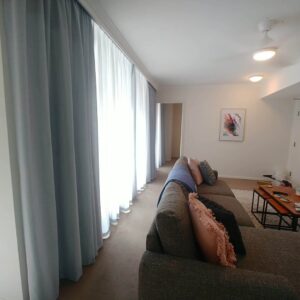
I have NEVER posted a review before and always read reviews with a grain of salt; but it would be very unfair for me not to this time. I got my first home and needed help with curtains. I am so thankful that by divine intervention I decided to hold off on my previous choice and then met Andrea. Andrea was a godsend.
She is not only a lovely person but also patient and very accommodating - making multiple phone calls and trips, extremely understanding of my demanding work schedule. This is the most genuine and honest review you would ever find! I can't recommend her enough!
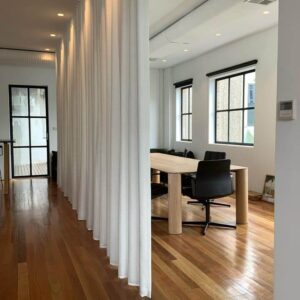
Andrea was incredibly helpful and knew her stuff. Very nice to have someone help you that you trust, knowing they have your best interests at heart!
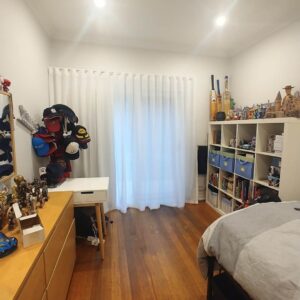
Thank you Andrea. We couldn’t be happier with our new sheers. We were so impressed with your professionalism and the outstanding results. I would definitely recommend your company to anyone looking for new curtains.

Thank you to Andrea and the Curtain Lab team! I'm super happy with the job and they're so helpful. The curtains are so lovely. Definitely recommend!


Privacy Policy | Terms And Conditions | Refund Policy
Website By:
Digitalzoop