
Call us Today
1300 034 818Noise is one of the fastest-growing comfort complaints in Australian homes. Whether it is traffic rumbling along a nearby arterial road, aircraft flight paths cutting across Sydney's inner suburbs, a neighbour's renovation that never seems to end, or simply the echo of hard surfaces inside an open-plan living area, unwanted sound erodes the sense of calm a home should provide.
Many homeowners assume the only real solution is expensive structural soundproofing: double-glazed windows, acoustic plasterboard, or cavity insulation. Those options certainly work, but they involve significant cost and disruption. What fewer people realise is that the right curtains can make a noticeable difference to how much external noise enters a room and how sound behaves within it.
This guide explains what acoustic curtains are, how they reduce noise, which fabrics perform best, and what level of improvement you can realistically expect in an Australian home.
Acoustic curtains, sometimes marketed as sound-reducing curtains or noise-dampening drapes, are window treatments specifically designed to absorb and attenuate sound energy. They are not a single product category with a fixed specification. Instead, the term covers any curtain constructed with the mass, density, and layered composition needed to meaningfully reduce noise transmission.
What separates an acoustic curtain from an ordinary decorative curtain comes down to three characteristics. First, the fabric itself is substantially heavier, typically starting at 300 GSM and often exceeding 500 GSM for purpose-built acoustic panels. Second, the curtain usually incorporates multiple layers, either through a dense interlining sandwiched between the face fabric and the lining, or through a heavyweight backing material bonded directly to the rear. Third, acoustic curtains are designed to hang with full, generous folds rather than lying flat, because those folds increase the surface area exposed to incoming sound waves and improve absorption.
Visually, a well-made acoustic curtain does not look industrial or utilitarian. Premium fabric choices and expert tailoring ensure that noise-reducing performance sits behind the same refined aesthetic you would expect from any bespoke window treatment.
Sound travels as pressure waves through the air. When those waves hit a hard, smooth surface like glass, most of the energy bounces back into the room as a reflection. That is why a room with bare windows, tiled floors, and minimal soft furnishings tends to feel echoey and loud.
When sound waves encounter a soft, fibrous material like a heavy curtain, something different happens. The wave energy enters the fabric and is partially converted into tiny amounts of heat through friction as the fibres vibrate. The denser and thicker the material, the more energy is absorbed and the less is reflected or transmitted through to the other side.
Curtains influence sound in two distinct ways. They reduce reverberation inside a room by absorbing reflected sound, which makes conversations clearer and lowers the overall ambient noise level. They also attenuate external noise by adding mass and absorption to the weakest acoustic link in the room, the window. Neither effect eliminates noise entirely, but together they create a perceptibly quieter, more comfortable environment.
The folds and draping of a curtain also play a role. A curtain hung with generous fullness, usually at least 1.5 to 2 times the width of the window, presents a larger, more irregular surface area to incoming sound. This breaks up sound reflections that a flat panel would simply bounce back intact.
Fabric selection is the single most important decision when choosing curtains for noise reduction. The general rule is simple: heavier, denser, and thicker fabrics absorb more sound.
Velvet. With its deep pile and substantial weight, velvet is one of the most effective acoustic fabrics available for residential curtains. The pile structure traps sound within its fibres, and the overall density of the material adds meaningful mass to the window. Velvet curtains also deliver outstanding thermal insulation, making them a dual-purpose investment for homes that face both noise and temperature challenges.
Heavyweight cotton and cotton-blend weaves. A densely woven cotton in the 250-350 GSM range provides solid noise absorption, particularly when paired with a thick interlining. Cotton is versatile enough to suit living rooms, bedrooms, and dining areas, and its natural drape creates the generous folds that improve acoustic performance.
Multi-layer blockout fabrics. Engineered blockout curtains are constructed with multiple bonded layers, and that layered composition absorbs sound effectively even though noise reduction is not their primary design purpose. For rooms where light control and noise reduction are both priorities, blockout fabrics offer a practical, streamlined solution.
Wool and wool-blend textiles. Wool is a natural sound absorber. Its crimped fibre structure traps air and disrupts sound waves efficiently. Wool curtains are particularly well suited to cooler regions of Australia, where their thermal and acoustic properties combine to create a noticeably quieter, warmer room.
Setting realistic expectations is important. Acoustic curtains are not a substitute for structural soundproofing, and no curtain will eliminate traffic noise or a neighbouring building site entirely. What they can do is take the edge off.
In practical terms, a well-fitted heavy curtain with appropriate lining and full coverage can reduce noise passing through a single-glazed window by roughly 7 to 12 decibels. That might sound modest on paper, but because the decibel scale is logarithmic, a 10 dB reduction means the perceived loudness is roughly halved. The room will feel noticeably quieter, speech will be easier to follow, and background rumble from traffic or aircraft will soften to a level many people find acceptable.
The reduction is less dramatic with double-glazed windows, because the glass itself is already doing much of the work. However, acoustic curtains still improve internal reverberation control, which makes the room feel calmer and more composed regardless of the glazing type.
It is also worth noting that curtains are most effective against mid- and high-frequency sounds, such as voices, barking dogs, and general urban clatter. Deep, low-frequency noise, like the bass thump of a subwoofer or the rumble of heavy trucks, passes through soft materials more easily and requires mass-based solutions such as thicker walls or laminated glass to address fully.
Confusion between sound absorption and soundproofing is common, and it leads to mismatched expectations. The two address different problems.
Soundproofing aims to block sound transmission from one space to another. It relies on mass, isolation, and airtight seals. Think double-stud walls with acoustic insulation, laminated glass, solid-core doors, and sealed window frames. These are construction-level interventions that physically prevent sound waves from passing through a barrier.
Sound absorption, which is what curtains primarily provide, reduces the energy of sound waves within a space. A heavy curtain absorbs reflections, shortens reverberation time, and lowers the overall noise level inside the room. It also adds a layer of absorption over the window, which attenuates some of the sound passing through the glass.
Acoustic curtains sit firmly in the absorption category. They will not turn a noisy room into a recording studio, but they will make a meaningful and immediately perceptible improvement to how the room sounds and feels. For many homeowners, that improvement is enough to transform a space from uncomfortably loud to genuinely pleasant.
Not every room in a home benefits equally from acoustic curtains. Knowing where they deliver the greatest return helps homeowners invest wisely.
Street-facing bedrooms. Sleep quality is acutely sensitive to noise. A bedroom overlooking a busy road, a pub, or a train line will benefit enormously from heavy, well-fitted curtains that absorb traffic noise and soften the sharp sounds that jolt people awake at night. Pairing acoustic fabric with a blockout lining addresses both noise and light for an optimised sleeping environment.
Open-plan living and dining areas. Hard floors, glass splashbacks, and large windows create reflective surfaces that amplify conversation, television audio, and kitchen noise. Acoustic curtains on the windows introduce the soft, absorptive surface these rooms desperately need, reducing echo and making the space more comfortable for entertaining and everyday living.
Home offices and study rooms. Concentration suffers in noisy environments. For anyone working or studying from home, acoustic curtains reduce distraction from external noise while also improving the clarity of video calls by controlling room reverberation.
Media and entertainment rooms. Rooms used for watching films or listening to music benefit from controlled acoustics. Heavy curtains on walls and windows reduce unwanted reflections that muddy the audio, creating a cleaner, more immersive listening experience.
Nurseries and children's rooms. Young children sleep lighter and are more easily disturbed by sudden sounds. Dense, noise-dampening curtains can soften the impact of a slamming car door or a passing truck just enough to keep a sleeping child settled.
Acoustic curtains work best as part of a layered approach to window treatment. Adding complementary layers improves both the sound-absorbing surface area and the overall thermal and light-control performance of the window.
A sheer curtain on an inner track paired with a heavy lined curtain on an outer track gives homeowners flexibility throughout the day. The sheers filter light and provide daytime privacy, while the heavier acoustic curtain can be drawn in the evening or whenever noise levels rise. The air gap between the two layers also adds a small but useful insulating buffer.
Roller blinds can serve a similar purpose when installed behind a curtain. A blockout roller blind provides light control and a modest sound-dampening layer on its own. When closed behind a heavy curtain, the two treatments together offer a more substantial acoustic barrier than either could deliver alone.
Plantation shutters are another option worth considering, particularly for rooms where a curtain would look too heavy or where a clean architectural aesthetic is preferred. While shutters themselves are not strong sound absorbers, their solid louvres add mass across the window opening and can be combined with a curtain for a layered solution that addresses noise, light, and privacy simultaneously.
Just as with thermal insulation, the acoustic performance of a curtain depends heavily on how well it covers the window and the surrounding wall area. Gaps are the enemy of noise control.
A curtain that stops at the windowsill, leaves exposed glass at the top, or hangs away from the wall at the sides allows sound to travel freely around the edges, bypassing the fabric entirely. For maximum acoustic benefit, curtains should extend well beyond the window frame on both sides, reach from ceiling height to the floor, and sit close to the wall to minimise air gaps.
Pelmets and covered tracks further improve performance by sealing the top edge. Without a pelmet, sound can travel over the top of the curtain and enter the room through the gap between the track and the ceiling. Closing that gap forces more of the incoming sound through the fabric itself, where it is absorbed.
This is precisely why custom-made curtains outperform off-the-rack alternatives for acoustic applications. The team at The Curtain Lab measures each window individually and fabricates curtains to exact specifications, ensuring full coverage with no gaps, no shortcuts, and no compromises on either performance or presentation.
Heavy acoustic curtains are, by nature, physically demanding to draw by hand. The sheer weight of dense, multi-layered fabric can make manual operation awkward, especially across wide window spans or in rooms with high ceilings.
Motorised curtain systems solve this elegantly. A quiet electric motor mounted within the track draws the curtains open or closed at the touch of a button, through a smartphone app, or on a programmed schedule. For acoustic applications, motorisation removes the temptation to leave heavy curtains open simply because they are difficult to move, ensuring the noise barrier is deployed whenever it is needed.
Scheduled operation is particularly useful for bedrooms on busy streets. The curtains can be programmed to close automatically in the evening before peak traffic noise begins and open again in the morning once the road quiets down. This kind of set-and-forget convenience turns acoustic curtains from something you have to remember into something that works for you around the clock.
Yes, but with realistic expectations. Acoustic curtains will not eliminate noise entirely. They can reduce perceived loudness by absorbing mid- and high-frequency sounds and dampening reflections within the room. A well-fitted heavy curtain over a single-glazed window can reduce incoming noise by roughly 7 to 12 decibels, which most people experience as the room sounding about half as loud.
Velvet is widely regarded as the top-performing residential acoustic fabric due to its pile density and weight. Heavyweight cotton, wool, and multi-layer blockout fabrics also perform well. The key factors are fabric density (measured in GSM), thickness, and whether the curtain includes an interlining or thermal backing.
Curtains can significantly reduce traffic noise, particularly the mid- and high-frequency components such as tyre noise, horns, and engine sounds at moderate speeds. Deep low-frequency rumble from heavy trucks passes through soft materials more easily, so curtains soften it rather than stopping it altogether.
Not necessarily, though there is considerable overlap. Blockout curtains are designed primarily to eliminate light, while acoustic curtains are engineered for sound absorption. Many high-quality blockout curtains also provide strong acoustic performance because their multi-layer construction adds both mass and absorption. The reverse is not always true, as some acoustic fabrics are not fully light-blocking.
For maximum noise reduction, acoustic curtains should be ceiling-mounted or installed as close to the ceiling as possible, extend at least 15 centimetres beyond the window frame on each side, reach the floor, and be paired with a pelmet or covered track to seal the top edge. Full, gathered folds increase the absorptive surface area.
Double glazing significantly reduces noise transmission through the glass itself, but it does nothing to control sound reflections within the room. Acoustic curtains complement double glazing by absorbing internal reverberation, resulting in a room that feels calmer and more controlled. In homes without double glazing, acoustic curtains deliver a more dramatic improvement.
Absolutely. Modern acoustic curtains are made from the same premium fabrics used in high-end interior design, including velvet, textured wool, and richly woven cotton blends. With custom tailoring and thoughtful fabric selection, there is no reason for noise-reducing curtains to look anything other than beautifully finished.

My experience with The Curtain Lab is not one you would expect…
I had a need to have the curtains in my two bedrooms cleaned.
This requires them to be done professionally as they are large and heavy, making it difficult for me to handle. They also need to be done when I am away as the bedrooms are exposed to the street.
My Dry Cleaners are excellent, whereby they come and take them down and return them in beautiful condition to rehang, all before I return home.
I had been home a few days, curtains looking lovely, had gone out for the day and when I arrived home the curtain in my bedroom had collapsed leaving the track badly bent with half the curtain hanging from it.
I emailed The Curtain Lab on a Sunday and on the Monday a young lady by the name of Andrea responded, by telephone, to my email. She arranged to meet me on the Wednesday of that week.
Andrea was obviously expecting me to arrange to purchase new curtains but on inspection she new this was not necessary. She said to me “I will take a close look and see what I can do for you”.
Of course, I was not expecting this and was happy to arrange for a new track to be installed.
Andrea did manage to re-position the track albeit still bent but the curtain is sliding along freely……for now.
Needless to say, I am delighted and have no hesitation in recommending The Curtain Lab to anyone. I will definitely call Andrea when I decide to change the look of my bedroom.
Thank You Andrea ???? Christine From Millers Point
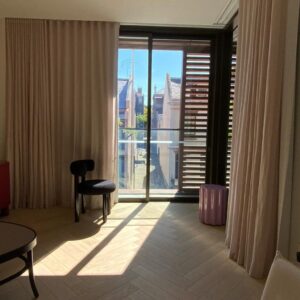
Professional, warm, and efficient with a wonderful result at the end. Highly recommended.
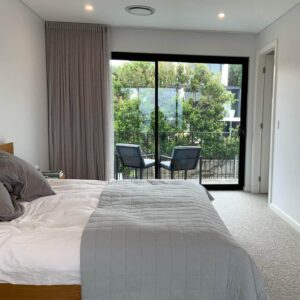
Our experience with the Curtain Lab was excellent. Great communication, wonderful style recommendations, speedy service and great product. Our new curtains and roller blinds look amazing. Definitely recommend contacting the Curtain Lab for window coverings!
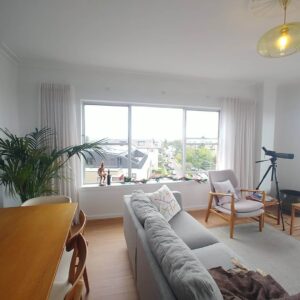
Great service, quality of product and value! Andrea went above and beyond to bring my vision for my attic to life despite the challenging angles involved. Would not hesitate to recommend to anyone!
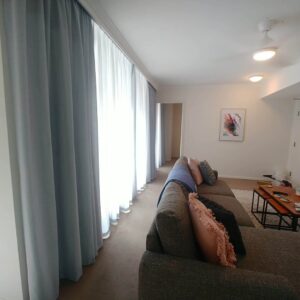
I have NEVER posted a review before and always read reviews with a grain of salt; but it would be very unfair for me not to this time. I got my first home and needed help with curtains. I am so thankful that by divine intervention I decided to hold off on my previous choice and then met Andrea. Andrea was a godsend.
She is not only a lovely person but also patient and very accommodating - making multiple phone calls and trips, extremely understanding of my demanding work schedule. This is the most genuine and honest review you would ever find! I can't recommend her enough!
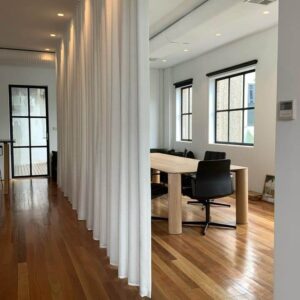
Andrea was incredibly helpful and knew her stuff. Very nice to have someone help you that you trust, knowing they have your best interests at heart!
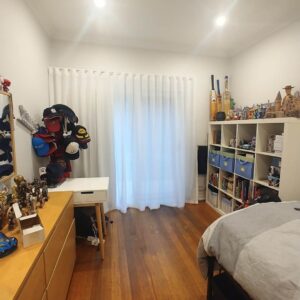
Thank you Andrea. We couldn’t be happier with our new sheers. We were so impressed with your professionalism and the outstanding results. I would definitely recommend your company to anyone looking for new curtains.
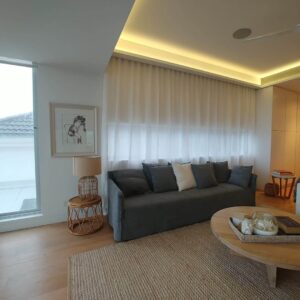
Thank you to Andrea and the Curtain Lab team! I'm super happy with the job and they're so helpful. The curtains are so lovely. Definitely recommend!


Privacy Policy | Terms And Conditions | Refund Policy
Website By:
Digitalzoop