
Call us Today
1300 034 818Installing new blinds instantly upgrades any room but knowing how to clean blinds after installation is just as important as the installation itself. New blinds come with a factory finish that attracts dust within days. Without the right cleaning method, that finish dulls quickly, allergens build up, and the blind mechanism becomes stiff.
This guide covers every blind type roller blinds, Venetian blinds, Roman blinds, vertical blinds, and mini/aluminium blinds with step-by-step instructions, professional tricks like the sock method and vinegar cleaning, and a complete maintenance schedule. Whether you are searching for how to clean blinds without removing them or need a seasonal deep clean, you will find the answer here.
Before starting, gather everything in one place. Having the right tools prevents improvising with materials that can scratch or damage your blinds.
Quick Tip: A telescoping duster attachment is worth buying if you have high or hard-to-reach blinds. It lets you clean without removing the blinds or climbing a ladder.
One of the most searched questions is whether you actually need to remove blinds to clean them. In most cases, the answer is no. Blinds in their hanging position give you easy access to both sides of the slats. Removing them is only necessary for very heavy soiling or a bathtub deep clean.
General in-place cleaning method — works for all blind types:
Quick Tip: Always dust dry before any wet cleaning. Wiping a dusty blind with a wet cloth creates muddy streaks that are harder to remove than the original dust.
The sock method is one of the most popular blind cleaning tips shared by professional cleaners. It is fast, affordable, and works extremely well on horizontal slat blinds especially Venetian blinds and aluminium mini blinds.
How to do it:
This method works best on vinyl, aluminium, and PVC Venetian blinds. Avoid using it on real wood blinds — excess moisture warps the wood permanently.
Quick Tip: After the sock clean, rub each slat with a dry dryer sheet. This removes static electricity from the slats, which is the main reason blinds attract dust so fast.
Vinegar is one of the best natural cleaning solutions for window blinds. It cuts through grease and grime, lifts light stains, and acts as a mild disinfectant without harsh chemicals that can strip a blind's coating or damage fabric.
Vinegar cleaning solution:
Mix equal parts white vinegar and warm water. For kitchen blinds with grease buildup, add a few drops of dish soap to the mixture.
Apply the solution to a microfiber cloth never spray directly onto the blinds. Direct spraying saturates the headrail mechanism and can cause corrosion over time.
Wipe down slats with the vinegar cloth, then follow up with a clean damp cloth to rinse, and dry thoroughly.
Vinegar is safe on aluminium, PVC, faux wood, and most fabric blinds. It is not recommended for real wood blinds the mild acidity can affect the wood's finish over time. Always do a patch test on a hidden corner before cleaning the full blind.
Roller blinds are practical and modern, but their flat woven surface picks up dust and stains quickly. The key is keeping them clean before grime embeds into the fabric weave.
Step-by-step:
Deep cleaning roller blinds:
Remove the blind from its bracket and lay it flat on a clean surface. Wipe down with soapy water, rinse with a clean damp cloth, and allow to air dry fully before reinstalling.
Quick Tip: Never roll up a damp roller blind. Even slight moisture trapped inside causes mould, mildew, and fabric deterioration within days.
Venetian blinds whether wood, aluminium, faux wood, or PVC collect dust on every slat surface. Regular cleaning is essential for both appearance and smooth operation.
Step-by-step:
Deep cleaning aluminium and PVC Venetian blinds — the bathtub method:
Quick Tip: Never soak real wood Venetian blinds in a bathtub. Water causes permanent warping and splitting.
Many homeowners do not know whether their wood-look blinds are real wood or faux wood (PVC). The cleaning method is very different, so this matters.
| Feature | Real Wood | Faux Wood (PVC) |
|---|---|---|
| Grain pattern | Unique, natural | Uniform, repeated |
| Weight | Lighter | Heavier |
| Water resistance | Low — avoid moisture | High — safe to wipe |
| Cleaning method | Dry cloth only | Damp cloth, vinegar, bathtub |
To identify: run your finger along the edge. Real wood shows the natural wood colour on unpainted edges. Faux wood has a consistent colour throughout.
Roman blinds add elegance to any space, but their fabric folds trap dust deep inside the pleats. Regular vacuuming is the most important maintenance step.
Step-by-step:
Quick Tip: Keep Roman blinds away from excess moisture bathrooms and kitchens without good ventilation cause mould to grow inside the fabric folds over time.
Vertical blinds hang in individual vanes rather than horizontal slats. Because the vanes hang vertically, they naturally collect less dust than horizontal blinds but they still need regular cleaning, especially around the louvres and track.
Step-by-step:
Quick Tip: When cleaning vertical blinds, always move downward. Sideways cleaning puts pressure on the suspension hooks and eventually breaks them.
Mini blinds (aluminium blinds) use narrow 1-inch slats and are among the most affordable window treatments available. Their small slat size means more surfaces to collect dust so they need cleaning more often than standard Venetian blinds.
Step-by-step:
Important: If your mini blinds have a motorised lift system, remove the electrical mechanism before any wet cleaning and only reinstall when the blind is completely dry.
Quick Tip: Mini blind slats bend easily under pressure. Use light, even strokes when cleaning pressing too hard causes permanent crimping that cannot be straightened.
Mould on blinds is a common problem in bathrooms, kitchens, and any room with poor ventilation. It appears as black or green spots and must be treated carefully to avoid spreading.
Mix one part white vinegar with one part warm water. Alternatively, mix one teaspoon of mild bleach per litre of water for more stubborn mould (test on a hidden spot first). Wipe each affected slat with a cloth dampened in the solution. Dry immediately and thoroughly.
Gently blot (do not rub) mould spots with a cloth dampened in a diluted vinegar solution. Allow to air dry fully in a well-ventilated area. For severe mould on fabric blinds, professional dry cleaning is recommended.
Use a dry cloth and a small amount of wood-safe mould treatment. Avoid water on wood it makes the mould problem worse by increasing moisture.
Prevention: Improve room ventilation. Use exhaust fans in bathrooms and kitchens. Wipe bathroom and kitchen blinds dry after steam or moisture exposure.
End of lease blind cleaning is one of the most common causes of bond deductions in Australia. Landlords and property managers inspect blinds closely. Here is what you need to do:
For professionally installed roller blinds, Venetian blinds, or Roman blinds that are heavily stained or have mould, consider a professional blind cleaning service. In Sydney, professional blind cleaning typically costs $15–$50 per blind depending on size and type.
| Room | Dust Frequency | Wipe Frequency | Special Note |
|---|---|---|---|
| Living Room | Weekly | Monthly | High foot traffic increases dust |
| Kitchen | Weekly | Every 2–3 weeks | Grease and steam build up quickly |
| Bedroom | Weekly | Monthly | Allergen hotspot — vacuum regularly |
| Bathroom | Weekly | Weekly | Moisture causes mould — dry after use |
| Pets / Allergies | Every 3–4 days | Every 2 weeks | Pet hair and dander settle on slats |
Using too much water: Excess moisture weakens fabric, warps wooden blinds, and causes rust on metal hardware. Always wring cloths well before use.
Scrubbing instead of blotting: Harsh scrubbing spreads stains, removes protective coatings, and damages delicate fabrics. Always blot gently on fabric and Roman blinds.
Neglecting cords and hardware: Pull cords, lift strings, and headrails collect significant grime over time. Cleaning them makes the entire blind look and function better.
Rolling up a damp roller blind: Even slight dampness causes mould and fabric deterioration within a few days.
Using steam cleaners: Not recommended for most blinds. Heat and excess moisture warp slats, shrink fabrics, and damage internal mechanisms.
Ignoring the manufacturer's care label: Every blind type has specific guidelines. Always check before using cleaning products.
| DIY Cleaning | Professional Blind Cleaning |
|---|---|
| Cost-effective for routine maintenance | Deep specialised cleaning |
| Best for light dust and regular upkeep | Ideal for heavy stains, mould, or delicate fabrics |
| Requires your time and effort | Saves time — professionals use specialist equipment |
| Works well for most blind types | Recommended annually for premium fabric and Roman blinds |
| Suitable for end of lease prep | Essential for ultrasonic cleaning of Venetian blinds |
Professional blind cleaning in Sydney costs approximately $15–$50 per blind. Ultrasonic blind cleaning which uses high-frequency sound waves to remove dust, bacteria, nicotine, and grease is available from specialist cleaners and is highly effective for heavily soiled Venetian and aluminium blinds.
Knowing how to clean blinds properly matching the method to the blind type is what separates blinds that look great for ten years from ones that look tired within twelve months. Regular dusting takes just a few minutes per window and prevents the need for intensive deep cleans. When you do need to go deeper, the sock method, vinegar solution, and bathtub soak are the three techniques that professional cleaners rely on most.
If you are looking for professional blind installation or need expert advice on choosing low-maintenance blinds for your Sydney home, The Curtain Lab is here to help. We install roller blinds, Venetian blinds, Roman blinds, vertical blinds, and more with a focus on quality that lasts.
Wait 1–2 weeks before deep cleaning new blinds. This allows the blind to settle into its position and the factory finish to stabilise. Light dusting during this period is fine.
Vacuuming with an upholstery attachment followed by gentle spot cleaning with a barely damp cloth and mild detergent. Always blot — never rub. Air dry completely.
Use an anti-static spray or wipe slats with a dry dryer sheet after cleaning. This eliminates the static charge that draws dust. Keeping windows closed on windy days also helps.
Not recommended for most blind types. Steam causes warping on wood and faux wood, shrinks or distorts fabric, and damages the internal mechanism on roller and venetian blinds.
Run a damp microfiber cloth the full length of each cord. For discoloured cords, fold a cloth dampened in mild soapy water around the cord and pull it through. Cords accumulate hand oils quickly.
Vinegar is safe for aluminium, PVC, faux wood, and most fabric blinds. Not recommended for real wood blinds — the acidity can affect the wood's finish. Always patch test first.
For most homes, once per year is sufficient. Kitchens, bathrooms, homes with pets, and end-of-lease cleans benefit from professional cleaning as needed.

My experience with The Curtain Lab is not one you would expect…
I had a need to have the curtains in my two bedrooms cleaned.
This requires them to be done professionally as they are large and heavy, making it difficult for me to handle. They also need to be done when I am away as the bedrooms are exposed to the street.
My Dry Cleaners are excellent, whereby they come and take them down and return them in beautiful condition to rehang, all before I return home.
I had been home a few days, curtains looking lovely, had gone out for the day and when I arrived home the curtain in my bedroom had collapsed leaving the track badly bent with half the curtain hanging from it.
I emailed The Curtain Lab on a Sunday and on the Monday a young lady by the name of Andrea responded, by telephone, to my email. She arranged to meet me on the Wednesday of that week.
Andrea was obviously expecting me to arrange to purchase new curtains but on inspection she new this was not necessary. She said to me “I will take a close look and see what I can do for you”.
Of course, I was not expecting this and was happy to arrange for a new track to be installed.
Andrea did manage to re-position the track albeit still bent but the curtain is sliding along freely……for now.
Needless to say, I am delighted and have no hesitation in recommending The Curtain Lab to anyone. I will definitely call Andrea when I decide to change the look of my bedroom.
Thank You Andrea ???? Christine From Millers Point

Professional, warm, and efficient with a wonderful result at the end. Highly recommended.

Our experience with the Curtain Lab was excellent. Great communication, wonderful style recommendations, speedy service and great product. Our new curtains and roller blinds look amazing. Definitely recommend contacting the Curtain Lab for window coverings!

Great service, quality of product and value! Andrea went above and beyond to bring my vision for my attic to life despite the challenging angles involved. Would not hesitate to recommend to anyone!
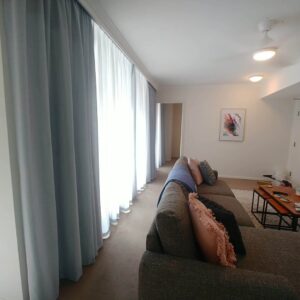
I have NEVER posted a review before and always read reviews with a grain of salt; but it would be very unfair for me not to this time. I got my first home and needed help with curtains. I am so thankful that by divine intervention I decided to hold off on my previous choice and then met Andrea. Andrea was a godsend.
She is not only a lovely person but also patient and very accommodating - making multiple phone calls and trips, extremely understanding of my demanding work schedule. This is the most genuine and honest review you would ever find! I can't recommend her enough!
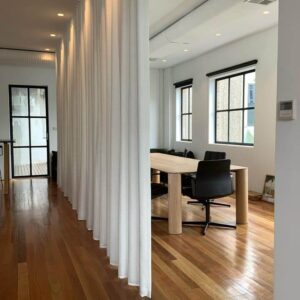
Andrea was incredibly helpful and knew her stuff. Very nice to have someone help you that you trust, knowing they have your best interests at heart!
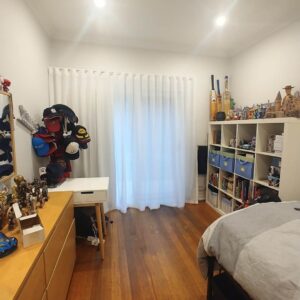
Thank you Andrea. We couldn’t be happier with our new sheers. We were so impressed with your professionalism and the outstanding results. I would definitely recommend your company to anyone looking for new curtains.

Thank you to Andrea and the Curtain Lab team! I'm super happy with the job and they're so helpful. The curtains are so lovely. Definitely recommend!


Privacy Policy | Terms And Conditions | Refund Policy
Website By:
Digitalzoop