
Call us Today
1300 034 818Roller blinds are one of the most popular window treatments in Australian homes, and for good reason. They are sleek, affordable, and offer excellent light control and privacy. Whether you are replacing an old set or fitting new blinds in a fresh build, this comprehensive guide walks you through every step of the installation process.
We cover inside and outside mount options, wall type specific drilling advice, Australian child safety requirements (including mandatory P clip installation), and how to troubleshoot common problems after fitting. Most people can complete a single blind installation in 20 to 30 minutes with basic tools.
As a leading roller blinds supplier in Sydney, The Curtain Lab offers custom fit roller blind solutions designed to suit every room in your home, from sheer sunscreen fabrics to complete blockout coverage.
Installing roller blinds does not require advanced DIY skills. Gather the following tools before you start:
Tip: Most roller blind kits include brackets, screws, a chain mechanism, bracket covers, and a child safety P clip. Check your kit contents before starting to make sure nothing is missing.
Before you pick up a drill, getting your window measurements right is vital. Incorrect measurements are the single most common reason for a poor blind fit.
For Inside Mount (Recess Fit):
Measure the width at three points: top, middle, and bottom of the window recess. Then measure the drop (height) at three points: left, centre, and right. Use the smallest width measurement and the smallest drop measurement.
Important: Subtract 5mm from your narrowest width measurement to allow clearance for the blind to operate smoothly inside the recess. Your blind supplier will usually make this deduction for you on custom orders, but always confirm before installation.
For Outside Mount (Face Fit):
Measure the window opening width, then add 50 to 75mm on each side for better light coverage. For the drop, measure from where you want the top bracket to sit down to your desired stopping point (sill level or below), and add at least 100mm above the window opening for bracket clearance.
Quick Tip: If your window is not perfectly square, meaning the width differs at the top versus the bottom by more than 5mm, an inside mount may cause fitment problems. Consider an outside mount for uneven or out of square windows.
Roller blinds can be installed inside the window recess, outside the frame, or on the ceiling. Your choice depends on your window type and what you want to achieve.
Choose Inside Mount (Recess Fit) When:
Choose Outside Mount (Face Fit) When:
Ceiling Mount Option:
For floor to ceiling windows, sliding glass doors, or bay windows, you can mount brackets directly to the ceiling. Ensure you drill into a ceiling joist using a stud finder because plaster alone will not support the weight of a roller blind. Ceiling mount creates a dramatic, modern look where the blind appears built into the room architecture. Measure the total drop from ceiling level to your desired stopping point and add 30 to 40mm for the roller tube housing.
Pro Tip: If you are unsure, outside mount is the most forgiving option for DIY installations. It allows small measurement errors without affecting the blind's operation.
Hold the brackets up to the wall or inside the window recess and use a pencil to mark where the screws will go.
How do I align the roller blind brackets?
Use a spirit level to make sure both brackets are perfectly aligned horizontally. Misaligned brackets are the most common installation error and will cause the blind to roll unevenly. For outside mount installations, also measure down from the ceiling at both ends to double check your level, as ceilings and window frames are not always perfectly straight.
For Wide Blinds (Over 1200mm): Your blind kit may include a centre support bracket. This prevents the roller tube from sagging under the weight of the fabric. Position it exactly midway between the two end brackets at the same height. Centre support is especially important for heavier blockout fabrics.
Recess Mount Tip: Position brackets at least 5mm from the front edge of the recess to prevent the blind fabric from rubbing against the window frame when rolling up and down.
The correct drilling approach depends on your wall or frame type. Using the wrong fixings is the number one cause of blinds falling off the wall weeks after installation.
Timber Window Frames:
Use the screws provided in your blind kit. Pre drill pilot holes to prevent the wood from splitting, particularly on older or painted timber. No wall plugs are needed for timber.
Plasterboard and Drywall:
If you can drill into a wall stud behind the plasterboard, use standard wood screws as this gives the strongest hold. Use a stud finder to locate the studs. If no stud is available at your bracket position, you must use hollow wall anchors (toggle bolts or spring toggles) for a secure fit. Standard screws into plasterboard alone will pull out under the weight of the blind, often within days.
Brick or Masonry Walls:
Use a hammer drill with a 6mm masonry drill bit. Drill to a depth slightly longer than the wall plug. Tap 6mm wall plugs (red plugs) into the holes with a hammer, then screw the brackets firmly into place. Wipe away brick dust with a damp cloth after drilling.
Concrete (Apartment Window Lintels):
Same process as masonry, but requires more drilling pressure and a good quality masonry bit rated for concrete. If you hit a metal lintel while drilling, stop immediately. You will need to drill into the side of the recess instead, or use brackets designed for aluminium frame mounting.
Aluminium Window Frames:
Use self tapping screws designed for metal. Pre drill a small pilot hole with a metal drill bit. Do not overtighten, as aluminium is a soft metal and screw threads can strip easily.
Safety Tip: Always wear safety glasses when drilling. Use a wire detector or stud finder with live wire detection to check for electrical wiring behind the wall before drilling into any surface.
Now that your brackets are securely in place, it is time to fit the roller blind itself.
Installation Tip: If you have ordered your blinds from The Curtain Lab, your blinds arrive pre rolled and pre fitted to your specified measurements, ensuring a hassle free fit.
Once installed, pull the chain gently to test the rolling mechanism. The fabric should roll up and down smoothly and evenly. If it feels rough or heavy, check that the brackets are not too tight (see Step 5).
Chain Direction and Fabric Roll:
If the chain hangs at the back of the blind (between the fabric and the window), the fabric rolls off the back of the tube. This means you see the flat, smooth side of the fabric from inside the room, which is the standard and preferred setup.
If the chain hangs at the front, the fabric rolls off the front and you may see the textured or reverse side of the fabric. If your blind looks backwards, simply remove it from the brackets and flip the chain end to the opposite bracket.
Quick Visual Check: Lower the blind fully and look at it from the side. The fabric should hang straight down, close to the window glass. If the fabric curves away from the window, the blind is likely mounted in reverse.
This step is mandatory under Australian law and must not be skipped.
The Australian Competition and Consumer Commission (ACCC) requires that all chain operated roller blinds must be installed with a cord safety device (P clip or cord tensioner). This applies to every home in Australia, even if children do not currently live at the premises.
The Legal Requirement:
A loose cord or chain must not be able to form a loop 220mm or longer at less than 1,600mm above floor level. This means the chain loop on your roller blind must be anchored to the wall or window frame using the P clip provided in your blind kit.
How to Install the P Clip:
Important Notes:
All roller blinds supplied by The Curtain Lab include P clips and safety hardware, complying with the AS/NZS 2309.1:2019 Australian safety standard.
Roller blinds can be fitted to most types of doors, but each door style has specific considerations.
Use inside mount brackets so the blind sits within the glass panel area and does not interfere with the door opening. Choose a lightweight fabric, as heavy blockout fabric can affect door balance on hinged doors. Install a bottom hold down bracket (a small clip at the base of the door) to keep the blind flat against the glass when the door swings open or closed. Make sure the chain mechanism does not block the door handle.
Face mount the brackets above the sliding track, or use a ceiling mount for full height coverage. For wide sliding doors (over 2 metres), consider fitting two blinds side by side rather than one extra wide blind. It is easier to operate and less likely to sag. Leave enough clearance above the sliding track for the roller tube and brackets.
Each panel needs its own individual blind with recess fit brackets inside the glass area. Lightweight sunscreen or sheer fabric is essential because heavy fabric prevents panels from folding properly. Battery powered motorised blinds work particularly well for bi fold setups where chain operation would be impractical across multiple panels.
Motorised roller blinds follow the same bracket installation process as manual blinds. The key difference is that an electric motor replaces the chain mechanism inside the roller tube.
Installation is the same as battery powered motors, but a small solar panel mounts on the window glass using an adhesive strip. The panel keeps the motor continuously charged as long as the window receives some daylight. Best suited for north facing windows (in the Southern Hemisphere) with consistent light exposure.
Most modern motorised blinds connect via Wi Fi, Bluetooth, Zigbee, or Z Wave and are compatible with Google Home, Amazon Alexa, and Apple HomeKit. No electrician is needed for wireless motors as they pair directly with your home Wi Fi network through the manufacturer's app.
Hardwired motorised blinds that connect directly to your home's 240V electrical system require a licensed electrician to run wiring to each window. This is typically only necessary for large commercial installations, whole home automation systems, or windows where battery access is impractical.
The Curtain Lab offers a complete range of motorised roller blind solutions for homes and businesses across Sydney.
Even with detailed instructions, some common mistakes can trip you up. Here are the most frequent problems to watch out for:
Even properly installed roller blinds can develop issues over time. Here is how to diagnose and fix the most common problems without calling a professional.
If one side of the blind sits higher than the other when rolled up, the fabric has shifted on the roller tube. Fully lower the blind, remove it from the brackets, and slowly re roll the fabric by hand while keeping it centred and even as you go. Re mount the blind and test. If it still telescopes, place a small piece of masking tape on the roller tube on the side that sits lower. This slightly increases the diameter on that side and corrects the uneven rolling. Add additional layers of tape until the blind rolls evenly.
This usually means the brackets are mounted too close together, causing the roller barrel to press against the bracket face and create friction. Check that there is 1.5 to 2mm of visible clearance between each end of the barrel and the bracket. If the spring pin is fully compressed with no gap, reposition one bracket slightly further apart.
If the brackets are spaced correctly, the chain mechanism itself may need lubrication. Apply a small amount of silicone based spray lubricant (not WD 40, as it attracts dust) directly to the gear teeth using the spray straw. Operate the chain several times to work the lubricant through the mechanism.
The chain beads may have jumped out of the gear sprocket. Remove the blind from the brackets and carefully re thread the chain over the sprocket wheel, ensuring the beads sit cleanly into the gear teeth. If the chain is stretched, damaged, or missing beads, it needs replacing. Replacement chains are available from most blind suppliers and are simple to swap.
On spring loaded roller blinds, this means the spring tension is too tight. Remove the blind from the brackets, unroll the fabric several turns by hand, then re mount and test. Repeat until the tension is balanced. For chain operated blinds, check that the stop ball is correctly positioned on the chain. It should sit just before the chain enters the drive mechanism, preventing over rolling.
The spring tension may be too loose, or the sidewinder mechanism is jammed. Remove the blind, manually roll the fabric up halfway by hand, re mount and test. If the mechanism itself is stiff, spray silicone lubricant directly into the sidewinder housing and work the chain back and forth to distribute it. If neither fix works, the internal mechanism may need replacing.
If you hear a scraping sound when raising or lowering the blind, the fabric edge is catching on the bracket or the inside of the window frame. For recess mounted blinds, ensure there is at least 2 to 3mm clearance on each side between the fabric edge and the frame. If the blind was cut slightly too wide, repositioning the brackets further apart (if space allows) can help. If the clearance is already tight, a professional fabric trim may be needed.
Clicking or clunking during operation typically indicates a worn gear inside the chain mechanism, or the chain connector passing through the P clip at an awkward angle. First, check the P clip alignment and ensure the chain passes through smoothly. If the noise comes from the mechanism itself, the sidewinder unit may need replacing. These are usually simple snap in or screw in components that can be swapped without changing the entire blind.
If you have tried these fixes and the blind still is not operating correctly, the internal mechanism may be damaged beyond a simple repair. Contact The Curtain Lab on 1300 034 818 and our team can assess the issue and provide a repair or replacement quote.
Proper maintenance extends the life of your roller blinds and keeps them looking fresh for years.
Weekly Care: Dust the fabric with a soft microfibre cloth or use a vacuum cleaner with a soft brush attachment on low suction. Regular dusting prevents buildup that can permanently stain fabric over time.
Monthly Care: Wipe the roller tube, brackets, and chain mechanism with a slightly damp cloth to remove accumulated grime. Dry immediately to prevent moisture damage.
Spot Cleaning: For marks or stains, use a damp cloth with a small amount of mild dish soap. Gently dab the stain. Never rub or scrub, as this can damage the fabric coating, especially on blockout blinds. Avoid bleach, harsh chemicals, and abrasive cleaners.
What to Avoid: Never machine wash roller blind fabric. The coating will crack, peel, or permanently deform, and the fabric will not sit flat on the tube afterwards.
Mechanism Care: If the chain becomes stiff over time, apply a small drop of silicone based lubricant to the gear mechanism. Do not use WD 40 or oil based lubricants because they attract dust and will eventually gum up the mechanism.
Fabric Replacement: If your blind fabric is damaged, faded, or outdated, you do not need to replace the entire blind. Most suppliers can re skin your existing roller tube with new fabric, which is typically 40 to 60% cheaper than buying a complete new blind. Contact The Curtain Lab for re fabric options.
Both options work well depending on your situation. Here is how to decide.
Consider hiring a professional if you are fitting more than five blinds, your walls are masonry or concrete, your windows are high or require tall ladders, you are installing motorised or smart integrated blinds, or you are a landlord needing documented child safety compliance for tenants.
The Curtain Lab provides free measure and quote services across Sydney, with professional installation available as part of your custom order. Call 1300 034 818 or book an appointment for expert help.
The Curtain Lab provides made to measure roller blinds with free consultation, professional installation, and personalised service across Sydney. Every blind includes child safety hardware and complies with Australian standards.
Whether you are upgrading a single window or outfitting an entire home, our experienced team guarantees a tailored fit and a smooth, professional finish with every blind installation.
Call 1300 034 818 for a custom quote, or book a free appointment for professional measure and installation.
Explore More: Motorised Blinds · Blockout Blinds · Roller Blinds Sydney · All Blinds
Yes, you can install roller blinds without drilling holes using adhesive brackets or tension rods. However, these methods are best suited for lightweight blinds and may not provide the same durability as traditional drilled installation.
If your roller blinds are rolling unevenly:
Installing a standard roller blind usually takes around 20–30 minutes if you have the right tools and accurate measurements.
Yes, you can replace the fabric on your roller blinds without changing the entire mechanism. Simply remove the existing fabric and attach the new one, ensuring it is properly aligned.
You can choose either side for the chain control. Consider which side is more accessible in your room setup, but ensure it is safe and out of reach for children.
Yes, roller blinds can be installed on doors, but it is best to use a lightweight or sheer fabric to ensure smooth operation.

My experience with The Curtain Lab is not one you would expect…
I had a need to have the curtains in my two bedrooms cleaned.
This requires them to be done professionally as they are large and heavy, making it difficult for me to handle. They also need to be done when I am away as the bedrooms are exposed to the street.
My Dry Cleaners are excellent, whereby they come and take them down and return them in beautiful condition to rehang, all before I return home.
I had been home a few days, curtains looking lovely, had gone out for the day and when I arrived home the curtain in my bedroom had collapsed leaving the track badly bent with half the curtain hanging from it.
I emailed The Curtain Lab on a Sunday and on the Monday a young lady by the name of Andrea responded, by telephone, to my email. She arranged to meet me on the Wednesday of that week.
Andrea was obviously expecting me to arrange to purchase new curtains but on inspection she new this was not necessary. She said to me “I will take a close look and see what I can do for you”.
Of course, I was not expecting this and was happy to arrange for a new track to be installed.
Andrea did manage to re-position the track albeit still bent but the curtain is sliding along freely……for now.
Needless to say, I am delighted and have no hesitation in recommending The Curtain Lab to anyone. I will definitely call Andrea when I decide to change the look of my bedroom.
Thank You Andrea ???? Christine From Millers Point
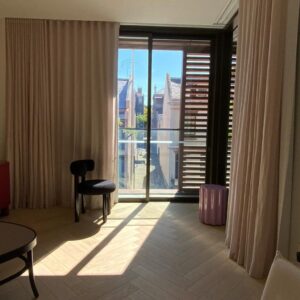
Professional, warm, and efficient with a wonderful result at the end. Highly recommended.

Our experience with the Curtain Lab was excellent. Great communication, wonderful style recommendations, speedy service and great product. Our new curtains and roller blinds look amazing. Definitely recommend contacting the Curtain Lab for window coverings!

Great service, quality of product and value! Andrea went above and beyond to bring my vision for my attic to life despite the challenging angles involved. Would not hesitate to recommend to anyone!
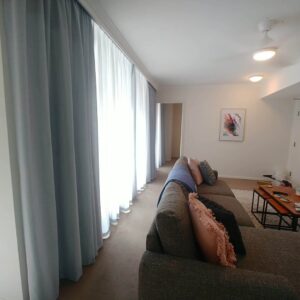
I have NEVER posted a review before and always read reviews with a grain of salt; but it would be very unfair for me not to this time. I got my first home and needed help with curtains. I am so thankful that by divine intervention I decided to hold off on my previous choice and then met Andrea. Andrea was a godsend.
She is not only a lovely person but also patient and very accommodating - making multiple phone calls and trips, extremely understanding of my demanding work schedule. This is the most genuine and honest review you would ever find! I can't recommend her enough!
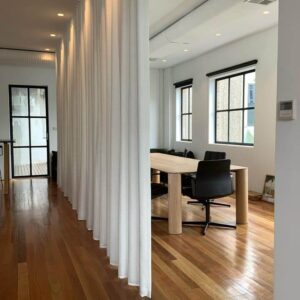
Andrea was incredibly helpful and knew her stuff. Very nice to have someone help you that you trust, knowing they have your best interests at heart!
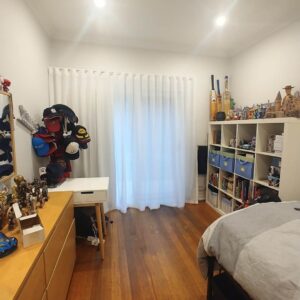
Thank you Andrea. We couldn’t be happier with our new sheers. We were so impressed with your professionalism and the outstanding results. I would definitely recommend your company to anyone looking for new curtains.

Thank you to Andrea and the Curtain Lab team! I'm super happy with the job and they're so helpful. The curtains are so lovely. Definitely recommend!


Privacy Policy | Terms And Conditions | Refund Policy
Website By:
Digitalzoop