
Call us Today
1300 034 818There is a reason sheer curtains have endured as a design staple in Australian homes for decades. In a country defined by abundant natural light, open living, and a connection between indoor and outdoor spaces, sheers do something no other window treatment can: they let the light in while softening everything it touches.
A well-chosen sheer curtain transforms harsh midday glare into a warm, diffused glow. It provides a layer of daytime privacy without sealing a room off from the world outside. And when styled with intention, it introduces movement, texture, and a quiet sense of luxury that elevates even the simplest interior.
But not all sheers are created equal. The fabric you choose, the way the curtain is headed, how it is hung, and how generously it falls all shape the final result. This guide covers every decision involved in selecting, styling, and installing sheer curtains that look and perform beautifully in Australian conditions.
Sheer curtains are lightweight, semi-transparent window coverings designed to filter light rather than block it. They hang in soft, flowing folds and are typically made from fabrics with an open or loosely woven structure that allows varying degrees of visibility and light transmission.
The most common sheer fabrics used in Australian homes include:
Voile. A smooth, finely woven fabric with a crisp hand and clean drape. Voile is one of the most popular choices for sheers because it offers a consistent, refined appearance and works well in both contemporary and traditional interiors. It is available in cotton, polyester, and blended compositions.
Linen sheers. Linen produces a textured, slightly irregular weave that gives sheer curtains a relaxed, organic character. Linen sheers suit coastal homes, farmhouse-style interiors, and any space where a natural, understated aesthetic is the goal. They do crease more readily than synthetic alternatives, which is part of their charm.
Chiffon. Ultra-lightweight and fluid, chiffon sheers create an almost ethereal effect when caught by a breeze. They are best suited to decorative layering rather than high-traffic rooms, as the delicate weave demands careful handling.
Polyester sheers. Polyester offers excellent durability, wrinkle resistance, and colourfastness. It holds its shape well after washing and stands up to the UV exposure that Australian windows deliver year-round. For practical performance, polyester sheers are difficult to beat.
Organza. Stiffer and more structured than voile or chiffon, organza sheers add a formal, luminous quality to a window. They are often chosen for dining rooms, entry foyers, and feature windows where a polished presentation matters.
Selecting a sheer fabric is not simply a matter of picking the lightest option in the showroom. The right choice depends on the room's orientation, the quality of light it receives, the level of privacy required, and the overall design direction.
For north- and west-facing windows that receive intense direct sunlight, choose a sheer with a tighter weave and higher UV resistance. Polyester and polyester-blend voiles hold up well under sustained sun exposure without yellowing or degrading, making them the practical choice for sun-drenched rooms.
In spaces where soft, diffused light is the priority, a looser-woven linen or linen-blend sheer will scatter light beautifully and create a warm, inviting atmosphere. These work particularly well in east-facing living rooms and breakfast areas that catch gentle morning light.
For ground-floor rooms and street-facing windows where daytime privacy is important, look for sheers with a slightly denser weave or a subtle pattern that reduces visibility from the outside while still allowing light to flow through. A double layer of sheer fabric on a single track can also increase opacity without sacrificing the airy quality that makes sheers so appealing.
Colour matters too. Pure white sheers deliver maximum brightness and suit minimalist, coastal, and Hamptons-inspired interiors. Off-white, ivory, and warm grey tones soften the light further and pair naturally with timber floors, stone surfaces, and neutral palettes.
The header, the way the top of the curtain is constructed, defines how a sheer curtain falls, gathers, and moves. It is one of the most important styling decisions and should be chosen to complement both the fabric and the room.
S-fold (ripple fold). The most popular header for contemporary Australian homes. S-fold sheers hang in smooth, continuous waves that create a clean, uniform look when open or closed. They glide effortlessly along a track and are ideal for wide window spans and sliding door openings.
Pinch pleat. A classic, tailored header that gathers the fabric into evenly spaced pleats at the top. Pinch pleat sheers have a more structured, formal appearance and work beautifully in traditional interiors, heritage homes, and rooms where a refined, considered aesthetic is desired.
Pencil pleat. Tightly gathered folds that create a soft, full effect at the top of the curtain. Pencil pleat sheers suit bedrooms, guest rooms, and any space where a gentle, romantic look is the goal. They pair well with decorative rods and rings.
Eyelet (grommet). Metal-ringed openings punched directly into the fabric, creating bold, even folds. Eyelet sheers have a modern, relaxed feel but can be heavier at the header due to the ring mechanism, so they are best suited to sturdier sheer fabrics like polyester voile.
The header you choose also determines the fullness of the curtain. S-fold sheers typically require 2 to 2.5 times the window width in fabric, while pinch pleat styles may require slightly more. Your curtain consultant will calculate the correct fullness for your chosen header and window dimensions.
Living areas and open-plan layouts are where sheer curtains truly come into their own. Large window walls, sliding doors that open onto decks or courtyards, and expansive glass panels are defining features of Australian home design, and sheers complement them perfectly.
In an open-plan space, a continuous run of S-fold sheers across a bank of windows creates a cohesive, flowing visual line that unifies the room. The gentle movement of the fabric when doors or windows are open connects the indoors with the outdoors in a way that heavier curtains cannot replicate.
For living rooms with a single feature window, a pair of generously gathered sheers framing the glass adds softness and depth to the wall without competing with furniture or artwork. The key is fullness. Skimping on fabric width produces a thin, flat result that looks underdone. Investing in proper fullness, typically two to two and a half times the window width, ensures the curtain hangs in rich, dimensional folds that catch and play with the light.
Sheers also provide an elegant solution for rooms that open onto communal areas, neighbouring properties, or busy streets. During the day, they screen the interior without darkening the space, preserving the open, airy feeling that defines relaxed Australian living.
Sheers alone do not provide enough privacy or light control for most bedrooms, particularly at night. However, pairing sheers with a dedicated blockout layer creates one of the most versatile and visually rewarding window treatment combinations available.
The most common approach is a dual-track system. The sheer curtain sits on the inner track, closest to the glass, while a heavier blockout curtain hangs on an outer track facing the room. During the day, the blockout curtains can be drawn back to let filtered light through the sheers. At night, both layers close to provide complete darkness and enhanced thermal insulation.
An alternative is to pair sheers with roller blinds mounted inside the window frame. The blinds handle privacy and light control mechanically, while the sheer curtain adds the decorative softness and texture that blinds alone cannot deliver. This combination is particularly effective in bedrooms with a modern, streamlined aesthetic where a second set of heavy curtains might feel visually crowded.
Whichever approach you choose, the result is a bedroom that feels bright and inviting during daylight hours and completely private and restful after dark.
How a sheer curtain is mounted affects both its appearance and its function. The two primary mounting options are ceiling-mounted tracks and wall-mounted rods, and each produces a distinctly different result.
Ceiling-mounted tracks are the preferred choice for a contemporary, seamless look. The track sits flush against the ceiling, making the curtain appear to float downward from the roofline with no visible hardware. This maximises the sense of height in the room and works particularly well with S-fold and pinch pleat headers. For homes with recessed ceiling channels, the track can be completely hidden, leaving only the flowing fabric visible.
Wall-mounted rods suit rooms where the hardware itself is part of the design statement. A polished chrome rod, a brushed brass pole, or a matte black rod adds an architectural element to the window. Rod-mounted sheers work best with eyelet and pencil pleat headers, where the fabric gathers around the rod in visible, decorative folds.
Regardless of the mounting method, positioning is critical. Mounting the track or rod as close to the ceiling as possible creates the illusion of taller windows and a more generous room height. The track should extend at least 15 to 20 centimetres beyond each side of the window frame so the curtain can stack fully off the glass when open, allowing maximum light into the room.
The length at which a sheer curtain falls, its drop, is one of the most visible styling decisions you will make. There are three standard options, and each creates a very different mood.
Floor length. The curtain finishes precisely at the floor, just touching or hovering a centimetre above it. This is the most universally flattering drop for sheers. It looks clean, intentional, and suits both contemporary and traditional rooms. Floor-length sheers are the safest choice for high-traffic areas where fabric pooling on the floor would collect dust or create a tripping hazard.
Puddle. The curtain extends 5 to 15 centimetres beyond the floor, allowing the fabric to gather and pool at the base. Puddled sheers create a romantic, indulgent look that works beautifully in formal living rooms, master bedrooms, and any space where an air of considered luxury is the goal. They require more fabric and more careful maintenance, as the pooled section gathers dust.
Sill length. The curtain finishes at the windowsill. Sill-length sheers are practical for kitchens, bathrooms, and windows above benchtops or furniture where a full drop would be impractical. They have a clean, functional appearance but lack the visual drama and proportion of a floor-length or puddled curtain.
As a general rule, floor-length sheers suit the vast majority of Australian living spaces. A puddle drop elevates feature windows and formal rooms. Sill length is reserved for spaces where function dictates form.
Sheer curtains attract less dust than heavier fabrics, but their delicate construction means they benefit from regular, gentle care to keep them looking fresh.
Most polyester and polyester-blend sheers can be machine washed on a gentle cycle in cool water, then hung back on the track while still slightly damp. The weight of the water helps the fabric drop straight, reducing the need for ironing. Avoid tumble drying, as excessive heat can damage the fibres or cause shrinkage.
Linen and linen-blend sheers are best hand washed or dry cleaned, depending on the manufacturer's recommendation. Linen creases naturally, and many homeowners embrace that relaxed texture as part of the fabric's character. A light steam can smooth out heavier creases without flattening the natural body of the cloth.
Chiffon and organza sheers require the most careful handling. Hand washing in lukewarm water with a mild detergent is usually the safest approach. Never wring these fabrics. Instead, roll them gently in a clean towel to absorb excess moisture, then hang to dry.
Regardless of fabric type, avoid harsh chemicals, bleach, and high-heat ironing. The UV exposure Australian windows deliver will gradually weaken sheer fabrics over time, so periodic inspection and timely replacement of sun-damaged panels will keep your window treatments looking their best across the years.
Ready-made sheer curtains are available in a handful of standard widths and drops, and while they can work for simple, standard-sized windows, they rarely deliver the polished result that a considered interior deserves.
The most obvious limitation is fit. Standard drops often miss the floor by several centimetres or bunch awkwardly at the base. Standard widths rarely provide the generous fullness needed for a sheer curtain to hang in the rich, dimensional folds that define a quality installation. The result is a curtain that looks thin, flat, and underdone.
Custom sheers, by contrast, are measured and made to the exact dimensions of each window. Every centimetre of drop is accounted for. The fullness is calculated precisely for the chosen header style. The fabric is cut and sewn with weighted hems that ensure a clean, straight fall and consistent drape across the entire width of the window.
The team at The Curtain Lab sources premium sheer fabrics from trusted Australian and international suppliers, tailoring each panel to the specific requirements of the room. From the initial in-home consultation to the final installation, the process is designed to deliver a result that elevates the space and stands the test of daily life.
Sheer curtains filter and reduce UV exposure, though they do not block it entirely. Polyester sheers tend to offer the strongest UV resistance. For rooms with valuable furniture, artwork, or flooring that is susceptible to sun damage, pairing sheers with a UV-filtering roller blind provides more complete protection.
For a full, luxurious look, sheer curtains should be at least two to two and a half times the width of the window. S-fold headers require slightly more fabric than pinch pleat or pencil pleat styles. Insufficient width produces a flat, sparse appearance that undermines the purpose of using sheers.
Polyester sheers are highly resistant to shrinkage. Cotton and linen sheers can shrink slightly if washed in warm or hot water, so cool water and a gentle cycle are recommended. Always check the fabric care instructions before washing, and hang the curtains damp to restore their original drop.
Yes, provided you choose a moisture-resistant fabric. Polyester sheers handle humidity well and dry quickly. Linen and cotton sheers are less suited to wet environments, as prolonged moisture exposure can encourage mildew and weaken the fibres.
Absolutely. Pairing sheers with roller blinds or Roman blinds is a popular and space-efficient alternative to a full dual-curtain setup. The blinds handle light control and privacy, while the sheers add softness and visual warmth.
With proper care, quality custom sheers typically last five to eight years before UV exposure and daily wear begin to show. Polyester sheers tend to last longer than natural fibres in sun-drenched rooms. Regular gentle washing and prompt attention to any snags or tears will extend their lifespan.

My experience with The Curtain Lab is not one you would expect…
I had a need to have the curtains in my two bedrooms cleaned.
This requires them to be done professionally as they are large and heavy, making it difficult for me to handle. They also need to be done when I am away as the bedrooms are exposed to the street.
My Dry Cleaners are excellent, whereby they come and take them down and return them in beautiful condition to rehang, all before I return home.
I had been home a few days, curtains looking lovely, had gone out for the day and when I arrived home the curtain in my bedroom had collapsed leaving the track badly bent with half the curtain hanging from it.
I emailed The Curtain Lab on a Sunday and on the Monday a young lady by the name of Andrea responded, by telephone, to my email. She arranged to meet me on the Wednesday of that week.
Andrea was obviously expecting me to arrange to purchase new curtains but on inspection she new this was not necessary. She said to me “I will take a close look and see what I can do for you”.
Of course, I was not expecting this and was happy to arrange for a new track to be installed.
Andrea did manage to re-position the track albeit still bent but the curtain is sliding along freely……for now.
Needless to say, I am delighted and have no hesitation in recommending The Curtain Lab to anyone. I will definitely call Andrea when I decide to change the look of my bedroom.
Thank You Andrea ???? Christine From Millers Point
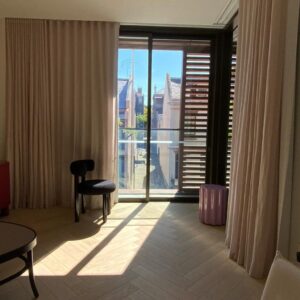
Professional, warm, and efficient with a wonderful result at the end. Highly recommended.
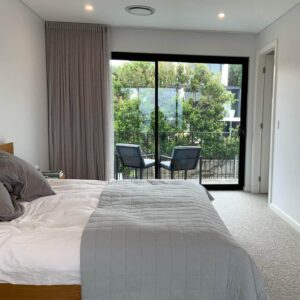
Our experience with the Curtain Lab was excellent. Great communication, wonderful style recommendations, speedy service and great product. Our new curtains and roller blinds look amazing. Definitely recommend contacting the Curtain Lab for window coverings!
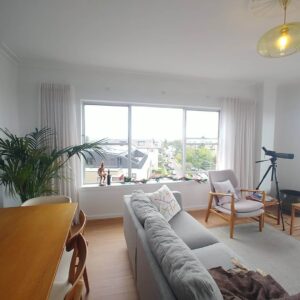
Great service, quality of product and value! Andrea went above and beyond to bring my vision for my attic to life despite the challenging angles involved. Would not hesitate to recommend to anyone!
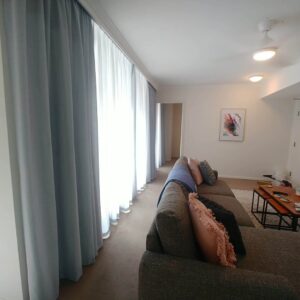
I have NEVER posted a review before and always read reviews with a grain of salt; but it would be very unfair for me not to this time. I got my first home and needed help with curtains. I am so thankful that by divine intervention I decided to hold off on my previous choice and then met Andrea. Andrea was a godsend.
She is not only a lovely person but also patient and very accommodating - making multiple phone calls and trips, extremely understanding of my demanding work schedule. This is the most genuine and honest review you would ever find! I can't recommend her enough!
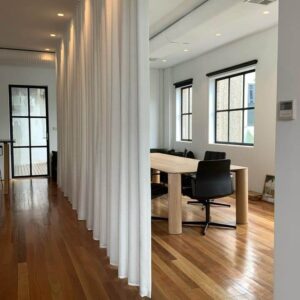
Andrea was incredibly helpful and knew her stuff. Very nice to have someone help you that you trust, knowing they have your best interests at heart!
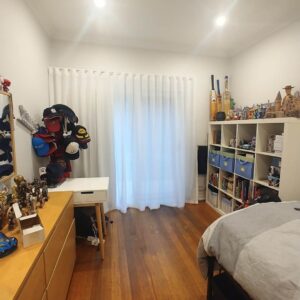
Thank you Andrea. We couldn’t be happier with our new sheers. We were so impressed with your professionalism and the outstanding results. I would definitely recommend your company to anyone looking for new curtains.
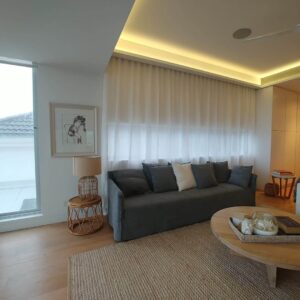
Thank you to Andrea and the Curtain Lab team! I'm super happy with the job and they're so helpful. The curtains are so lovely. Definitely recommend!


Privacy Policy | Terms And Conditions | Refund Policy
Website By:
Digitalzoop