
Call us Today
1300 034 818Sheer curtains are lightweight, translucent drapes that soften daylight, give a room privacy by day and add movement and texture to a window. The fabric, the heading style and the fullness decide how beautiful they look, and pairing them with a blockout layer decides how well they work after dark.
We design, make and install made-to-measure sheer curtains for homes across Sydney. This guide covers the fabrics we work with, the heading styles that suit each interior, how to get the proportions right, and how to layer sheers so a single window works from morning to night.
At a glance
A sheer curtain is made from a fine, open fabric that lets light pass through while blurring the view into the room. In daylight it gives privacy and a soft, luminous glow; at night, with lights on inside, it becomes transparent. That is why sheers are so often the front or back layer of a window rather than the only one.
Unlike a roller or sunscreen blind, a sheer curtain is about drape as much as function. It moves, gathers and catches the light, adding softness to hard-edged modern interiors and a quiet elegance to classic ones.
Our sheer curtain fabric range covers four main families, each with its own character.
| Fabric | Look and feel | Best for |
|---|---|---|
| Linen and linen-look | Natural, textured, slightly irregular weave | Coastal, Hamptons and relaxed contemporary interiors |
| Voile | Fine, smooth and even, with a fluid drape | Formal living and dining rooms, minimalist spaces |
| Cotton | Soft and matte, with a casual, lived-in feel | Bedrooms and family spaces |
| Silk and silk-look | Lustrous, refined and the most luxurious | Statement rooms, master suites and formal entertaining |
A few practical points shape the choice. Natural linens and cottons can move slightly with humidity, so they suit relaxed, gently gathered headings. Synthetic and blended weaves hold their shape and resist fading in strong sun, which suits large north and west-facing windows. Pale tones keep a room bright, while warmer tones such as oatmeal, stone and taupe cast a softer, golden light.
Soft, diffused light. Sheers take the hard edge off direct sun, spreading light evenly across a room rather than in harsh patches.
Privacy by day without closing the room. From the street, a sheer reads as a soft veil; from inside, you keep a gentle sense of the outdoors.
Protection for furnishings. Filtering the sun helps slow the fading of floors, rugs and upholstery, particularly behind large glazing.
A finished, tailored window. Floor-length sheers make ceilings feel higher and windows feel larger, and they soften the lines of modern architecture.
A foundation for layering. Sheers pair naturally with blockout curtains or blinds, giving one window both daytime softness and night-time privacy.
No privacy after dark. With lights on inside, a sheer becomes see-through. Bedrooms, bathrooms and street-facing rooms need a second layer for the evening.
No darkness. Sheers filter light; they do not block it. Rooms that need to be dark for sleep call for blockout curtain fabric or a blockout blind.
Fabric needs care. Delicate weaves such as silk and fine voile need gentle handling, and natural fibres can crease or relax over time.
Fullness costs fabric. The generous folds that make a sheer look beautiful use more fabric than a flat panel, which is part of why made-to-measure sheers outshine ready-made ones.
For a side-by-side look at the two fabric types, see blockout curtains or sheer curtains: what's the difference.
The heading is the top of the curtain, and it sets the character of the whole drape.
| Heading | The look | Where it shines |
|---|---|---|
| Wave fold | Soft, continuous S-shaped waves that stack neatly | Contemporary homes, apartments, floor-to-ceiling glass |
| 1-2-3 pinch pleat | Tailored clusters of pleats with a classic structure | Traditional, Hamptons and formal interiors |
| Reverse box pleat | Flat, crisp folds with a clean, architectural line | Transitional spaces and rooms that want structure without fuss |
Wave fold is a natural partner for sheers, because the fine fabric falls into especially even, fluid waves.
Fullness. Fullness is how much fabric is used compared with the width of the track. Sheers look their best with generous fullness, typically around twice the track width or more, so the folds stay soft and full even when the curtain is closed. Skimping here is the most common reason sheers look thin and flat.
Length. For a tailored finish, sheers should just kiss or float a few millimetres above the floor. A slight break onto the floor gives a more relaxed, romantic look, while a sill-length sheer rarely does a window justice.
Height and width. Mounting the track close to the ceiling and extending it past the window frame makes a room feel taller and lets the curtain stack clear of the glass, so you keep the full view and light when it is open.
Tracks and motorisation. Ceiling-fixed tracks give the cleanest line, and a double track lets a sheer and a blockout run independently. For wide spans and tall windows, motorisation opens and closes each layer at the touch of a button or on a schedule.
Precise measurement underpins all of this. Our guide to measuring windows for custom curtains in Sydney explains what we check at every consultation.
Layering is how a sheer goes from beautiful to genuinely practical.
Sheer with blockout curtains. The most versatile pairing. On a double track, the sheer sits on the inner or outer run and the blockout on the other, so you draw the sheer by day and the blockout at night. Matching or tonal fabrics keep the window calm and cohesive.
Sheer over roller blinds. A blockout roller blind sits discreetly within the window frame for privacy and darkness, while the sheer hangs in front on a ceiling track, softening the hard line of the blind. It is a refined solution for bedrooms where space for two curtain stacks is limited. See our guide to blockout roller blinds for the blind options.
Sheer with plantation shutters. Sheers can soften the strong geometry of plantation shutters in formal rooms, adding drape while the shutters handle privacy and light.
For more ideas on combining treatments, read our tips to pair blinds with custom curtains.
| Room | Recommended approach |
|---|---|
| Living room | Floor-length wave fold sheer in linen or voile, layered with blockout for evenings |
| Bedroom | Sheer over a blockout curtain or roller blind for privacy and sleep |
| Dining room | Voile or silk-look sheer in pinch pleat or wave fold for an elegant frame |
| Home office | Textured sheer to soften glare across screens, with a blockout layer if the room faces west |
| Sliding doors and large glazing | Ceiling-fixed wave fold sheer that stacks clear of the doors, motorised on wide spans |
| Apartments | Sheer for daytime privacy from neighbouring buildings, plus blockout for night |
Sheers stay fresh with a little regular attention.
Sydney's bright light and indoor-outdoor living suit sheers particularly well. They soften the glare off the harbour and the beaches, give apartments privacy from neighbouring buildings, and bring warmth to the large glazing of modern homes. In coastal suburbs such as Manly, Cronulla and Bondi, we favour fabrics that tolerate salt air and humidity, while in heritage terraces across Paddington and Surry Hills, pinch-pleated sheers suit the period proportions.
Every sheer we make is designed, fabricated and installed for its window, with the fabric, heading and fullness chosen in your home rather than from a catalogue. Our team draws on more than 15 years in textiles and window coverings and guides each project from consultation to installation.
Explore our custom-made curtains and sheer curtain fabric range, visit our showroom by appointment, or book a free in-home consultation and we will bring sheer samples to see in your own light.
Can you see through sheer curtains at night?
Yes. When it is dark outside and the lights are on inside, people can see into the room. For night-time privacy, layer sheers with blockout curtains or a blockout blind.
What is the best fabric for sheer curtains?
It depends on the look you want. Linen gives natural texture, voile gives a fine and fluid drape, cotton feels relaxed, and silk is the most luxurious. Synthetic and blended weaves hold their shape best in strong sun.
How much fullness do sheer curtains need?
Sheers look best with generous fullness, typically around twice the track width or more, so the folds stay soft and even when the curtains are closed.
Should sheer curtains touch the floor?
For a tailored look, sheers should just touch or float slightly above the floor. A small break onto the floor creates a softer, more relaxed effect.
Can you layer sheer curtains with blinds?
Yes. A blockout roller blind inside the window frame with a sheer curtain in front on a ceiling track gives privacy and darkness at night with soft, diffused light by day.
Do sheer curtains keep heat out?
They soften direct sun and reduce some heat at the window, but they are not insulating on their own. Pairing them with a blockout layer makes a far greater difference to comfort in summer and winter.

My experience with The Curtain Lab is not one you would expect…
I had a need to have the curtains in my two bedrooms cleaned.
This requires them to be done professionally as they are large and heavy, making it difficult for me to handle. They also need to be done when I am away as the bedrooms are exposed to the street.
My Dry Cleaners are excellent, whereby they come and take them down and return them in beautiful condition to rehang, all before I return home.
I had been home a few days, curtains looking lovely, had gone out for the day and when I arrived home the curtain in my bedroom had collapsed leaving the track badly bent with half the curtain hanging from it.
I emailed The Curtain Lab on a Sunday and on the Monday a young lady by the name of Andrea responded, by telephone, to my email. She arranged to meet me on the Wednesday of that week.
Andrea was obviously expecting me to arrange to purchase new curtains but on inspection she new this was not necessary. She said to me “I will take a close look and see what I can do for you”.
Of course, I was not expecting this and was happy to arrange for a new track to be installed.
Andrea did manage to re-position the track albeit still bent but the curtain is sliding along freely……for now.
Needless to say, I am delighted and have no hesitation in recommending The Curtain Lab to anyone. I will definitely call Andrea when I decide to change the look of my bedroom.
Thank You Andrea ???? Christine From Millers Point
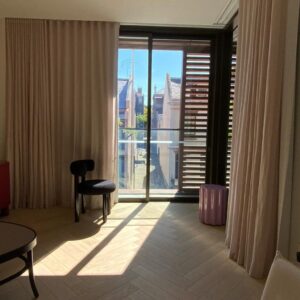
Professional, warm, and efficient with a wonderful result at the end. Highly recommended.
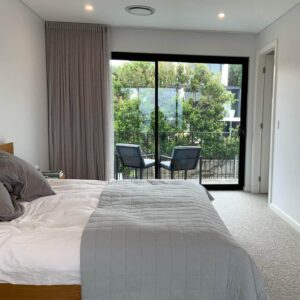
Our experience with the Curtain Lab was excellent. Great communication, wonderful style recommendations, speedy service and great product. Our new curtains and roller blinds look amazing. Definitely recommend contacting the Curtain Lab for window coverings!
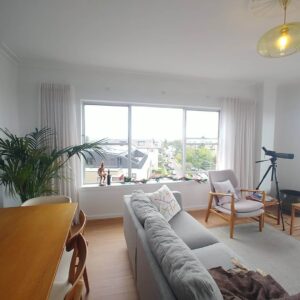
Great service, quality of product and value! Andrea went above and beyond to bring my vision for my attic to life despite the challenging angles involved. Would not hesitate to recommend to anyone!
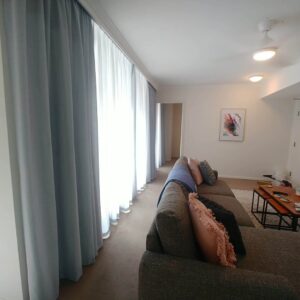
I have NEVER posted a review before and always read reviews with a grain of salt; but it would be very unfair for me not to this time. I got my first home and needed help with curtains. I am so thankful that by divine intervention I decided to hold off on my previous choice and then met Andrea. Andrea was a godsend.
She is not only a lovely person but also patient and very accommodating - making multiple phone calls and trips, extremely understanding of my demanding work schedule. This is the most genuine and honest review you would ever find! I can't recommend her enough!
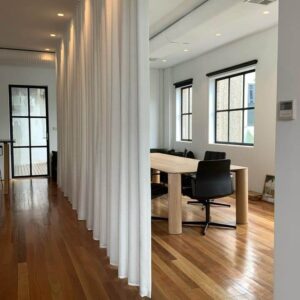
Andrea was incredibly helpful and knew her stuff. Very nice to have someone help you that you trust, knowing they have your best interests at heart!
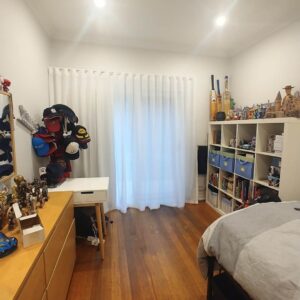
Thank you Andrea. We couldn’t be happier with our new sheers. We were so impressed with your professionalism and the outstanding results. I would definitely recommend your company to anyone looking for new curtains.
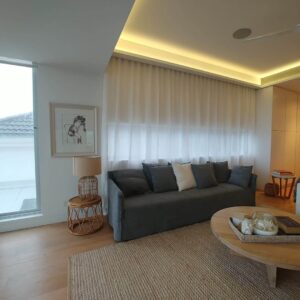
Thank you to Andrea and the Curtain Lab team! I'm super happy with the job and they're so helpful. The curtains are so lovely. Definitely recommend!


Privacy Policy | Terms And Conditions | Refund Policy
Website By:
Digitalzoop