
Call us Today
1300 034 818Double roller blinds, often called day and night blinds, are one of the most adaptable window treatments a Sydney home can have. Two independent layers of fabric work on a single headrail, so you can move from soft, filtered daylight to complete blockout without ever changing the blind. Like any tailored window solution, they carry trade-offs worth understanding before you commit. This guide walks through the advantages and the drawbacks in full, and shows you how to choose a combination that suits the room, the light, and the way you live.
Key Takeaways
A double roller blind carries two separate fabric rollers, usually one sheer or translucent and one blockout, on a single bracket system. Each roller operates on its own, so you can drop the sheer for daytime privacy and diffused light, then bring down the blockout when you want darkness or full screening from the street. That independence is the whole point of the design, and it is what lets one window treatment cover every hour of the day.
The two rollers sit on a wider double bracket built to hold both tubes, with two mounting points rather than the single point a standard roller blind uses. The front roller and the rear roller run on their own chains, or on a motor if you choose a powered system, and neither interferes with the other as it travels. On a motorised dual set you can preset the sheer and the blockout to separate positions and recall them with a remote, an app, or a voice assistant.
Double roller blinds go by several names depending on the retailer. Bunnings tends to list them as double roller blinds, Spotlight often calls the same product dual roller blinds, and elsewhere you will see double blinds, dual roller shades, day night blinds, twin roller blinds, or double layer blinds. The product behind the label is the same: two independent fabric layers on one bracket.
The fabric pairing decides how a double roller blind performs. Here is what works best room by room.
Bedrooms. Pair a full blockout rear roller with a soft light-filtering sheer at the front. Darker blockout tones such as charcoal, navy, or black cut more light than pale colours, while a white or cream sheer gives a gentle, diffused morning light. This combination suits shift workers, children's rooms, and anyone woken by early sun.
Living rooms. A medium-density blockout rear with a textured sheer front works well here. Choose neutral tones such as stone, linen, warm grey, or charcoal to sit with your furniture and walls. The sheer keeps the room bright and private from street level through the day.
Home offices. Pair a standard blockout rear with a sunscreen front rather than a sheer. Sunscreen cuts screen glare far better than sheer fabric while still letting you see out, and a 3 to 5 per cent openness factor balances outward view with glare control. It is the right setup for video calls, where you want daylight on your face without harsh backlight.
Kitchens. Moisture-resistant fabrics matter here. A PVC-coated polyester blockout with a wipe-clean front stands up to steam and splatter, and easy-clean fabrics take a damp cloth well. Avoid cotton and linen, which absorb cooking moisture, grease, and odours.
Bathrooms. Similar to kitchens, with the added need for mould resistance. Choose synthetic, moisture-proof fabrics made for wet areas. Motorised operation is worth considering so you are not handling a chain with wet hands in a humid room.
Nurseries and children's rooms. Full blockout is essential for daytime naps and early bedtimes. Australian safety standards make cordless or motorised operation the sensible choice wherever children sleep or play. Soft whites and pastels on both layers keep the room calm while still delivering complete darkness when you need it.
Media and entertainment rooms. For cinema-grade darkness, run 100 per cent blockout on both rollers in a dark colour. That combination removes almost all light leak for movies, gaming, or a home theatre.
Yes. Double roller blinds, dual roller blinds, twin roller blinds, and day night roller blinds all describe the same product: two separate roller blinds on a single double bracket. The terms are used interchangeably across Australian retailers.
Bunnings usually says double roller blinds, Spotlight often says dual roller blinds, and other suppliers call them day night or twin roller blinds. Regardless of the name, the build is identical: two independent fabric layers, typically one sheer and one blockout, on one bracket, giving you control of light and privacy across the day. When you shop, judge the bracket system, the fabric quality, and the operation type rather than the name, because those decide how the blind actually performs.
Double Roller Blinds vs Other Window Treatments
With so many options, choosing can be confusing. Here is how double roller blinds compare to the main alternatives.
Double roller vs single roller. A single roller blind gives you either light filtering or blockout, not both. A double roller gives you both in one unit, which removes the need for a second treatment on the same window. Single rollers cost less; double rollers do more.
Double roller vs curtains. Custom curtains bring a softer, more traditional feel but need more space and regular laundering. Double rollers offer a cleaner, modern line with sharper light control, easier care, and a snug fit against the glass that helps with insulation.
Double roller vs venetian blinds. Venetian blinds have slats that collect dust and take longer to clean. Double rollers look sleeker, insulate better, and give complete privacy once the blockout layer is down.
Double roller vs roman blinds. Roman blinds add elegance through their fabric folds but offer less precise light control. Double rollers are the more practical choice for bedrooms and offices, where managing light matters day to day.
Quick comparison
| Feature | Double Roller | Single Roller | Curtains | Venetian | Roman |
|---|---|---|---|---|---|
| Light control | Excellent | Good | Moderate | Good | Moderate |
| Privacy | Excellent | Good | Excellent | Moderate | Good |
| Energy efficiency | High | Moderate | Moderate | Low | Moderate |
| Maintenance | Easy | Easy | Difficult | Difficult | Moderate |
| Price range | $$$ | $$ | $$ | $$$ | $$$ |
A few decisions shape whether the blind suits the room.
How Much Do Double Roller Blinds Cost in Sydney?
Cost depends on size, fabric, and operation. As a guide:
What affects the price
Are they worth the investment?
The upfront price sits above a single blind, and the return comes over time through energy savings, durability, and the added function of two fabrics in one. For most homeowners the everyday convenience and finish make the difference worthwhile.
Want an accurate figure for your home? Contact The Curtain Lab for a free measure and quote in Sydney.
Installation follows the same principles as a standard roller blind, with a few differences that come from the wider bracket and the second roller tube.
Minimum recess depth. Double roller brackets are wider than single brackets because they hold two tubes. Most systems need a minimum recess depth of 80 to 100 mm for an inside mount. If your reveal is shallower, go with an outside (face) mount instead.
Step by step
Because a double bracket carries the weight of two blinds, make sure your fixings are rated for the combined load, especially on plasterboard or hollow walls. For drilling techniques across different wall types, bracket alignment, and child-safety requirements, see our roller blind installation guide.
The honest answer is that it depends on the room and how you use it. If you want real control over light, privacy, and temperature in one blind, a double roller earns its keep, particularly in spaces whose light changes through the day. The cost sits above a standard blind, and for most homes the comfort, privacy, and finish outweigh it.
Double roller blinds are also known as day and night blinds, a name that describes exactly what they do: a sheer for daylight and a blockout for night, on one bracket. That pairing is why they have become a default choice in modern homes and offices across Sydney.
Why Double Roller Blinds Suit Sydney Homes
Sydney's climate and the way its homes are built make double rollers a natural fit.
UV protection from harsh Australian sun. Sydney gets intense UV all year. The sheer layer filters much of it through the day, protecting floors, furniture, and artwork from fading while keeping the room bright.
Climate control for hot summers and cool winters. With summer days above 35 degrees and winter nights in single figures, the blockout layer keeps rooms cooler in summer and holds warmth in winter, easing the load on heating and cooling.
Privacy in densely built areas. In apartment-heavy suburbs such as Bondi, Chatswood, and Parramatta, or a terrace in Surry Hills, double rollers give flexible privacy without giving up daylight.
Coastal durability. Near Manly, Cronulla, and the Northern Beaches, moisture-resistant fabric options stand up to salt air and humidity better than traditional curtains.
A clean line for modern interiors. Sydney's open-plan homes and large windows suit the streamlined look, minimal profile, and made-to-order colours of a double roller.
Sydney homes and offices reach for double rollers because they adapt to the room.
Whether you are setting up a quiet bedroom, a workable office, or a bright living space, a double roller adapts, giving you comfort, control, and a clean finish in one blind.
Five Common Mistakes to Avoid When Buying Double Roller Blinds
1. Choosing the wrong fabric pairing. Many buyers pick on looks alone. Match the fabric to the room: blockout for bedrooms, light-filtering sheer for living areas, moisture-resistant fabrics for kitchens and bathrooms.
2. Measuring incorrectly. DIY measurements often lead to light gaps and operating problems. A professional measure is worth it, especially for non-standard windows.
3. Ignoring the mount type. Inside and outside mounts change both the look and the light control. Talk through both with your supplier before deciding.
4. Trading quality for price. Cheaper blinds can save money now and cost it later through mechanisms that wear out early. A quality blind from a reputable Sydney supplier lasts and runs smoothly for years.
5. Overlooking child safety. With young children or pets, choose cordless or motorised options. Australian standards regulate corded blinds strictly, so check for compliant designs.
Talk it through with the team at The Curtain Lab, Sydney's trusted name in custom window treatments.
Double roller blinds bring together light control, privacy, energy efficiency, and a clean modern look in a single window treatment, with a higher cost and a little more upkeep as the trade-off. Weigh them against your room, your light, and your budget, and if a double roller is the right fit, contact The Curtain Lab for a free measure and quote across Sydney.
Yes. They are a smart choice for wide openings such as sliding doors and oversized windows. Made to measure, they glide evenly and cover the space without looking bulky.
They are one of the best choices for a bedroom. The sheer lets in soft light with privacy through the day, and the blockout gives you a dark, restful room at night.
Vacuum with a soft brush attachment to lift dust, or wipe gently with a damp cloth. Always check the care instructions for your fabric so you do not damage it.
Yes. Many double roller systems are motorised and run from a remote, and some sync with your phone or smart-home assistant so you can adjust them without getting up.
Yes. The blockout layer works as a barrier at the glass, keeping heat out in summer and warmth in through winter, which can lower your heating and cooling costs over time.
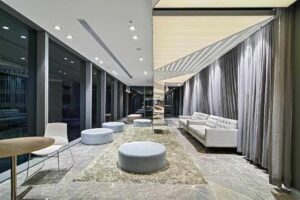
My experience with The Curtain Lab is not one you would expect…
I had a need to have the curtains in my two bedrooms cleaned.
This requires them to be done professionally as they are large and heavy, making it difficult for me to handle. They also need to be done when I am away as the bedrooms are exposed to the street.
My Dry Cleaners are excellent, whereby they come and take them down and return them in beautiful condition to rehang, all before I return home.
I had been home a few days, curtains looking lovely, had gone out for the day and when I arrived home the curtain in my bedroom had collapsed leaving the track badly bent with half the curtain hanging from it.
I emailed The Curtain Lab on a Sunday and on the Monday a young lady by the name of Andrea responded, by telephone, to my email. She arranged to meet me on the Wednesday of that week.
Andrea was obviously expecting me to arrange to purchase new curtains but on inspection she new this was not necessary. She said to me “I will take a close look and see what I can do for you”.
Of course, I was not expecting this and was happy to arrange for a new track to be installed.
Andrea did manage to re-position the track albeit still bent but the curtain is sliding along freely……for now.
Needless to say, I am delighted and have no hesitation in recommending The Curtain Lab to anyone. I will definitely call Andrea when I decide to change the look of my bedroom.
Thank You Andrea ???? Christine From Millers Point
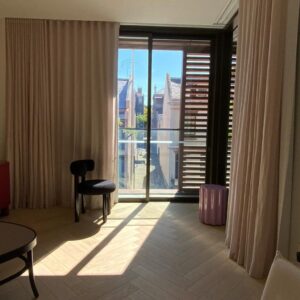
Professional, warm, and efficient with a wonderful result at the end. Highly recommended.
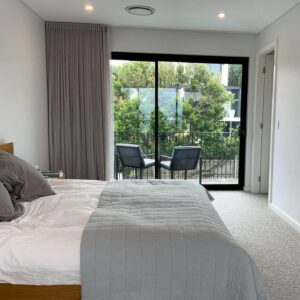
Our experience with the Curtain Lab was excellent. Great communication, wonderful style recommendations, speedy service and great product. Our new curtains and roller blinds look amazing. Definitely recommend contacting the Curtain Lab for window coverings!
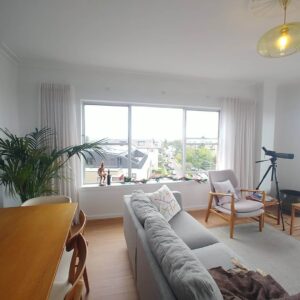
Great service, quality of product and value! Andrea went above and beyond to bring my vision for my attic to life despite the challenging angles involved. Would not hesitate to recommend to anyone!
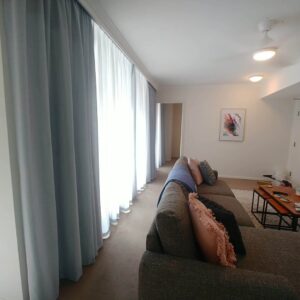
I have NEVER posted a review before and always read reviews with a grain of salt; but it would be very unfair for me not to this time. I got my first home and needed help with curtains. I am so thankful that by divine intervention I decided to hold off on my previous choice and then met Andrea. Andrea was a godsend.
She is not only a lovely person but also patient and very accommodating - making multiple phone calls and trips, extremely understanding of my demanding work schedule. This is the most genuine and honest review you would ever find! I can't recommend her enough!
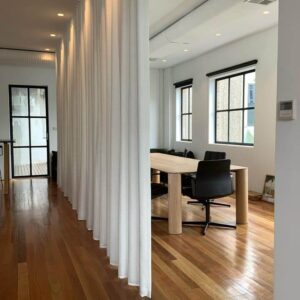
Andrea was incredibly helpful and knew her stuff. Very nice to have someone help you that you trust, knowing they have your best interests at heart!
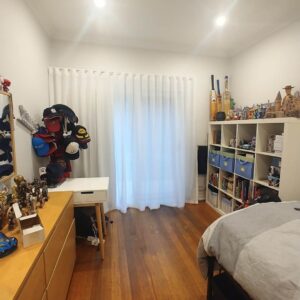
Thank you Andrea. We couldn’t be happier with our new sheers. We were so impressed with your professionalism and the outstanding results. I would definitely recommend your company to anyone looking for new curtains.
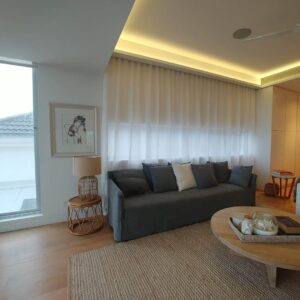
Thank you to Andrea and the Curtain Lab team! I'm super happy with the job and they're so helpful. The curtains are so lovely. Definitely recommend!


Privacy Policy | Terms And Conditions | Refund Policy
Website By:
Digitalzoop