
Call us Today
1300 034 818Sunscreen roller blinds are made from a finely woven mesh that filters sunlight rather than stopping it. They cut glare, screen out a large share of UV and keep your view of the outdoors, which makes them one of the most effective treatments for bright living areas and home offices. Their one real limitation is privacy after dark, when a lit interior becomes visible through the weave.
We specify and fit sunscreen roller blinds in homes across Sydney. This guide explains how the fabric works, how to choose the right openness factor and colour for each room, and when a sunscreen blind should be paired with something else.
At a glance
A sunscreen roller blind uses a technical fabric woven with tiny, evenly spaced openings. Daylight and a clear view pass through those openings, while the yarn itself absorbs and reflects much of the glare, heat and UV that would otherwise reach the room. The result is a softly lit interior that still feels connected to the garden, the street or the harbour beyond.
The fabric is usually a coated polyester or fibreglass yarn, chosen because it holds its shape, resists fading and hangs perfectly flat across wide windows. That flat, tailored line is what separates a well-made sunscreen blind from a light curtain or a sheer: it sits close to the glass and controls the light with precision.
For an overview of every roller blind style we make, see our guide to choosing roller blinds.
Glare control without losing the view. Screens, artwork and polished floors all suffer under direct sun. A sunscreen blind softens that glare to a comfortable level while the outlook stays visible, so the room never feels closed in.
UV protection for floors and furnishings. Low-openness sunscreen fabrics screen out the majority of UV, slowing the fading of timber, leather, rugs and upholstery while the room stays bright.
Cooler rooms in summer. By stopping much of the sun's heat at the window, sunscreen blinds take pressure off air conditioning on hot afternoons.
Daytime privacy. In daylight, the brighter side of the glass hides the darker side, so passers-by see the blind rather than the room while you still see out.
A clean, architectural finish. Made to measure and mounted neatly within or above the window, a sunscreen blind suits contemporary interiors, apartments and large expanses of glazing particularly well.
Privacy reverses at night. Daytime privacy depends on the outside being brighter than the inside. Once the sun sets and the lights come on, the balance flips and the room becomes visible through the weave. For bedrooms, bathrooms and street-facing rooms, a sunscreen blind on its own is rarely enough after dark.
They do not darken a room. A sunscreen filters light; it does not stop it. Bedrooms, nurseries and media rooms that need darkness call for a blockout roller blind instead, or alongside.
Colour changes performance. Pale fabrics reflect more of the sun's heat but blur the view and can glow under direct sun. Dark fabrics give the clearest view and the strongest glare control but reflect less heat. Choosing on appearance alone can leave a room hotter or brighter than expected.
Openness is a trade-off. A more open weave gives a better view but lets in more glare and UV; a tighter weave protects more but softens the outlook. There is no single right answer, only the right answer for each window.
The simplest solution to the first two drawbacks is a double roller blind, which pairs a sunscreen with a blockout on one bracket so each layer is used when it is needed.
The openness factor is the percentage of the fabric that is open weave. Residential sunscreen fabrics are commonly made with openness levels of around 1 to 10 per cent. The lower the number, the tighter the weave, the stronger the glare and UV control, and the softer the view.
| Openness | View | Glare and UV control | Where we use it |
|---|---|---|---|
| 1 to 3 per cent | Softened | Highest | Home offices, media walls, west-facing living rooms |
| 3 to 5 per cent | Clear | Strong | Living and dining rooms, most everyday windows |
| 5 to 10 per cent | Very clear | Moderate | Gentle light, shaded windows, rooms where the view matters most |
In practice, the same home often needs more than one openness level. A west-facing family room and a shaded south-facing study rarely suit the same fabric, and specifying window by window is where a tailored blind earns its value.
Colour shapes how a sunscreen blind performs as much as how it looks.
Consider the exterior too. On apartment buildings and street-facing homes, a consistent tone across every window gives the facade a calm, considered look.
Which way a window faces matters more in Sydney than almost any other factor.
Coastal and harbourside homes add salt air and reflected light off the water. We specify durable, colourfast sunscreen fabrics for homes in areas such as Manly, Mosman and across the Northern Beaches.
| Option | Light | View | Night privacy | Best for |
|---|---|---|---|---|
| Sunscreen | Filtered | Yes | No | Living areas, home offices, glare control |
| Blockout | Blocked | No | Yes | Bedrooms, nurseries, media rooms |
| Translucent | Diffused | No | Partial | Bathrooms, softly lit rooms |
| Double roller | Choice of both | By day | Yes | Bedrooms and street-facing rooms that need both |
If you prefer the softness of fabric, sunscreen blinds also layer well behind custom curtains, with the blind managing glare by day and the curtains closing the room at night.
Inside or face fit. An inside fit sits within the window reveal for a flush, architectural line. A face fit mounts above and beyond the frame, covering more glass and reducing light at the edges. Our blinds installation service measures and fits each blind so it hangs straight and tracks cleanly.
Operation. We offer chain drive for precise control, spring-loaded operation with a pull-down bottom rail, and spring assist for larger, heavier blinds. For tall glazing, wide spans or hard-to-reach windows, motorisation lets you lower blinds on a schedule, from an app or with a voice assistant, which is particularly useful for closing west-facing blinds before the afternoon sun arrives. Every chain-operated blind must meet the Australian mandatory safety standard for corded internal window coverings, so each is fitted with a compliant safety device.
Care. Sunscreen fabrics are among the easiest to keep. Dust with a soft brush or vacuum attachment, and spot clean marks with mild soapy water and a soft cloth. Avoid harsh chemicals and never machine wash. Our guide to cleaning blinds covers each fabric type in detail.
Across the homes we fit out, sunscreen roller blinds are most often specified for balconies, alfresco areas and sliding doors: the openings where people most want to keep the view but need relief from glare and heat.
Sliding doors and balcony glass. Wide openings take the full force of afternoon sun and reflected light. A sunscreen blind keeps the outlook to the balcony or garden while making the room comfortable to sit in through the hottest part of the day.
Alfresco and indoor-outdoor living. Where a living area opens onto a deck or courtyard, sunscreen fabric softens the light at the threshold, so the interior never feels dark against the bright exterior. For evenings, pair it with a blockout blind or curtains, as privacy after dark needs a second layer.
The best way to choose an openness factor and colour is to see them in your own light. Our team draws on more than 15 years in textiles and window coverings, and guides every project from consultation to installation. Book a free in-home consultation and we will bring sunscreen samples to every window, visit our showroom by appointment, or explore our full sunscreen roller blinds range.
Can you see through sunscreen blinds at night?
Yes. When the lights are on inside and it is dark outside, people can see into the room through the weave. For night-time privacy, pair the sunscreen with a blockout layer or curtains.
What openness factor is best for sunscreen blinds?
For most living areas, 3 to 5 per cent balances view and glare control. Choose 1 to 3 per cent for home offices and west-facing rooms, and 5 to 10 per cent where the view matters most and the sun is gentle.
Do sunscreen roller blinds keep heat out?
They stop a meaningful share of the sun's heat at the window, which keeps rooms cooler on hot afternoons. Lighter colours reflect more heat; darker colours give a clearer view and better glare control.
Are sunscreen blinds good for a home office?
They are one of the best choices. A tight weave in a dark tone cuts screen glare while keeping daylight and the view, which also makes for flattering light on video calls.
What is the difference between sunscreen and blockout blinds?
Sunscreen blinds filter light and keep the view, while blockout blinds stop light and give full privacy. Many homes use both together in a double roller blind.
How do you clean sunscreen roller blinds?
Dust with a soft brush or vacuum attachment and spot clean with mild soapy water. Avoid harsh chemicals and do not machine wash the fabric.
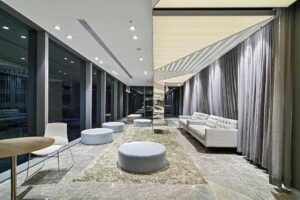
My experience with The Curtain Lab is not one you would expect…
I had a need to have the curtains in my two bedrooms cleaned.
This requires them to be done professionally as they are large and heavy, making it difficult for me to handle. They also need to be done when I am away as the bedrooms are exposed to the street.
My Dry Cleaners are excellent, whereby they come and take them down and return them in beautiful condition to rehang, all before I return home.
I had been home a few days, curtains looking lovely, had gone out for the day and when I arrived home the curtain in my bedroom had collapsed leaving the track badly bent with half the curtain hanging from it.
I emailed The Curtain Lab on a Sunday and on the Monday a young lady by the name of Andrea responded, by telephone, to my email. She arranged to meet me on the Wednesday of that week.
Andrea was obviously expecting me to arrange to purchase new curtains but on inspection she new this was not necessary. She said to me “I will take a close look and see what I can do for you”.
Of course, I was not expecting this and was happy to arrange for a new track to be installed.
Andrea did manage to re-position the track albeit still bent but the curtain is sliding along freely……for now.
Needless to say, I am delighted and have no hesitation in recommending The Curtain Lab to anyone. I will definitely call Andrea when I decide to change the look of my bedroom.
Thank You Andrea ???? Christine From Millers Point
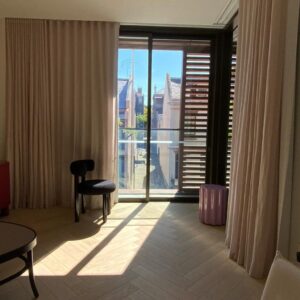
Professional, warm, and efficient with a wonderful result at the end. Highly recommended.
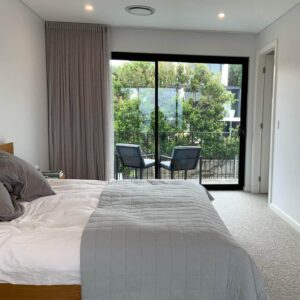
Our experience with the Curtain Lab was excellent. Great communication, wonderful style recommendations, speedy service and great product. Our new curtains and roller blinds look amazing. Definitely recommend contacting the Curtain Lab for window coverings!
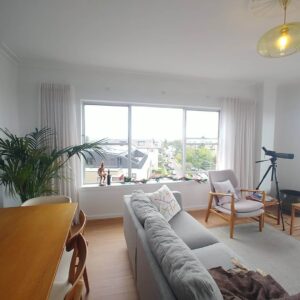
Great service, quality of product and value! Andrea went above and beyond to bring my vision for my attic to life despite the challenging angles involved. Would not hesitate to recommend to anyone!
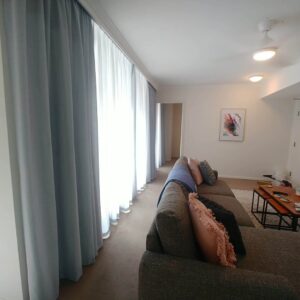
I have NEVER posted a review before and always read reviews with a grain of salt; but it would be very unfair for me not to this time. I got my first home and needed help with curtains. I am so thankful that by divine intervention I decided to hold off on my previous choice and then met Andrea. Andrea was a godsend.
She is not only a lovely person but also patient and very accommodating - making multiple phone calls and trips, extremely understanding of my demanding work schedule. This is the most genuine and honest review you would ever find! I can't recommend her enough!
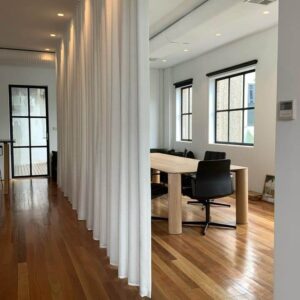
Andrea was incredibly helpful and knew her stuff. Very nice to have someone help you that you trust, knowing they have your best interests at heart!
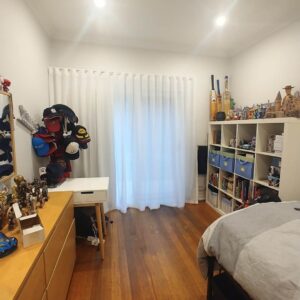
Thank you Andrea. We couldn’t be happier with our new sheers. We were so impressed with your professionalism and the outstanding results. I would definitely recommend your company to anyone looking for new curtains.
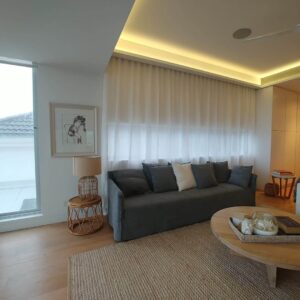
Thank you to Andrea and the Curtain Lab team! I'm super happy with the job and they're so helpful. The curtains are so lovely. Definitely recommend!


Privacy Policy | Terms And Conditions | Refund Policy
Website By:
Digitalzoop